Wrong Fuel in Car: What to Do Before You Drive
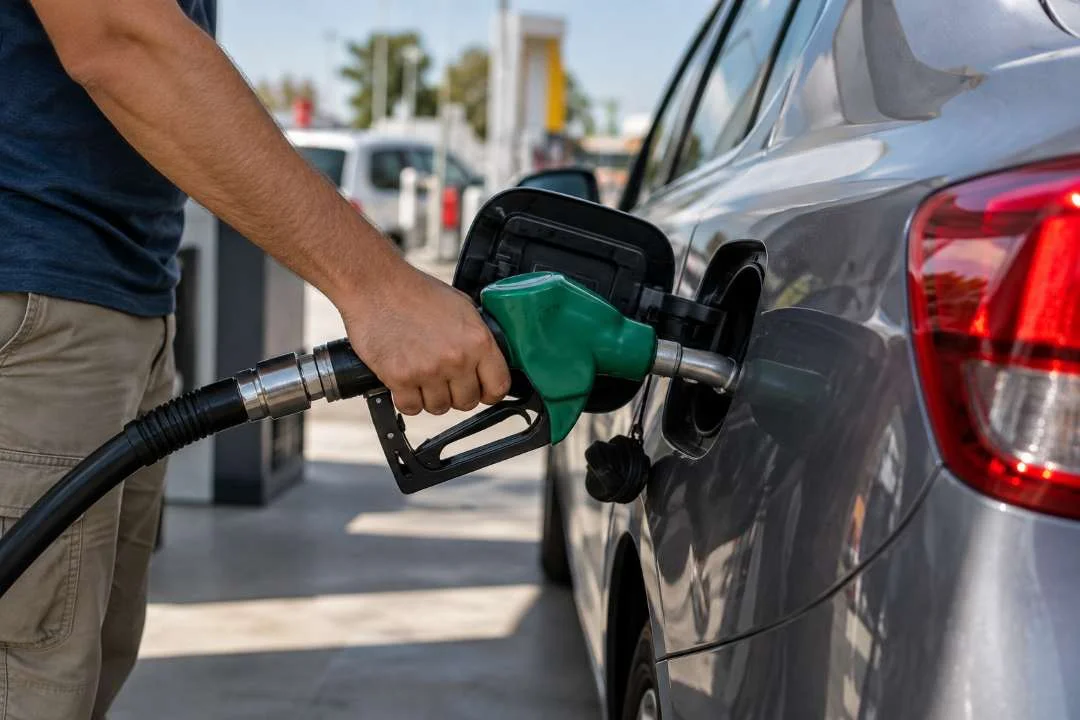
Putting the wrong fuel in your car is an easy mistake to make, particularly when you are driving an unfamiliar vehicle or switching between petrol and diesel cars. The most important thing is to recognise the mistake quickly and avoid taking actions that could make the problem worse.
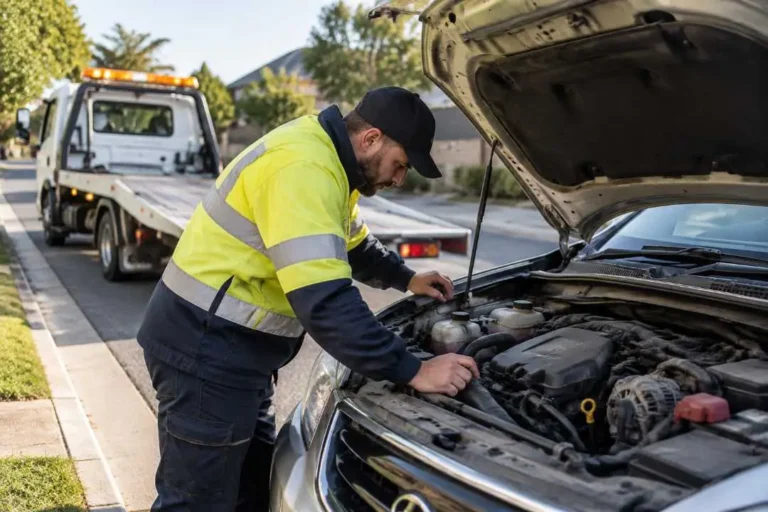
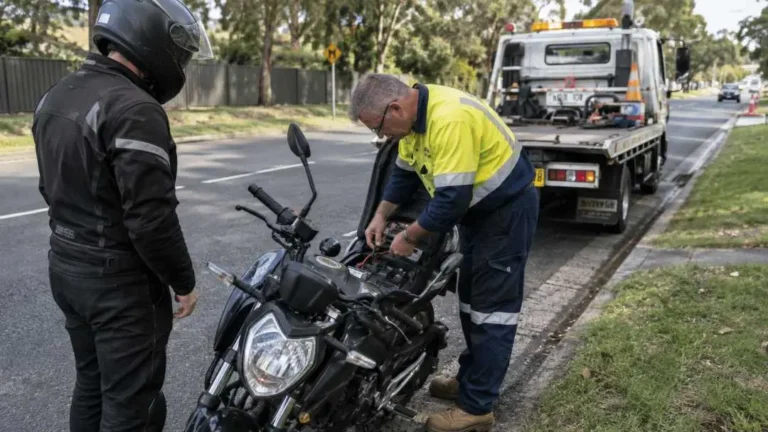
If you have put wrong fuel in car, do not panic or continue driving to see what happens. For drivers who need professional support in Sydney, AH Towing Services can help with roadside assistance and vehicle recovery when a car cannot safely continue.
What Happens When You Put the Wrong Fuel in a Car?
Petrol and diesel engines are designed to operate with different fuels and fuel systems. Using the incorrect fuel can affect how the engine runs and may cause problems with components involved in fuel delivery and combustion.
The seriousness of the problem depends on several factors, including which fuel was used, how much was added, whether the engine was started and whether the vehicle was driven afterwards. Acting before the contaminated fuel is circulated through the system can help limit the potential consequences.
Petrol in a Diesel Vehicle
Putting petrol into a diesel vehicle can be particularly concerning because diesel fuel also provides lubrication for parts of many diesel fuel systems. Petrol has different properties and can reduce that lubrication.
If the engine is started, the incorrect mixture can move through the fuel system. This is why a wrong fuel in diesel car situation should be handled promptly rather than attempting to drive until the fuel is used up.
Diesel in a Petrol Vehicle
Diesel in a petrol car can also cause the engine to run incorrectly. Depending on the vehicle and amount of diesel added, symptoms may include rough running, misfiring, smoke, loss of power or stalling.
If you realise that diesel has gone into a petrol vehicle, stop using the car and arrange appropriate assistance rather than trying to clear the fuel by driving.
What Should You Do After Putting the Wrong Fuel in Your Car?
The steps you take immediately after discovering the mistake can make a significant difference. The safest approach is to keep the vehicle stationary and get appropriate assistance.
Do Not Start the Engine
If you notice the mistake before starting the vehicle, leave the engine switched off. Avoid turning the ignition on repeatedly just to check whether the car will start.
Starting the engine can circulate the incorrect fuel through the fuel system, potentially increasing the amount of work required to remove the contaminated fuel and inspect the vehicle.
Move Away From the Fuel Pump Safely
If you are still at a service station and the vehicle has not been started, ask staff for assistance. If the vehicle can be safely pushed away from the pump without starting it, moving it to a designated safe area can allow other motorists to use the bowser.
Do not put yourself or other people in danger trying to move the vehicle. If it cannot be moved safely, contact roadside assistance and follow the instructions provided.
Tell the Recovery Provider Exactly What Happened
When requesting help, provide accurate information rather than simply saying that the vehicle will not start.
Tell the provider:
- Which fuel the vehicle normally uses
- Which fuel was accidentally added
- Approximately how much was added
- Whether the engine was started
- Whether the vehicle was driven
- Your vehicle make and model
- Your current location
This information can help determine whether roadside assistance, fuel-system service or towing is appropriate.
Wrong Fuel in Diesel Car: What Are the Risks?
A wrong fuel in diesel car incident should be treated carefully because modern diesel fuel systems can operate at high pressures and rely on the correct fuel properties.
The potential consequences vary between vehicles. A mistake discovered before starting the engine may be easier to deal with than one where the vehicle has been driven and the contaminated fuel has circulated.
Petrol Added to Diesel
Petrol can reduce the lubricating properties of diesel fuel. Depending on the vehicle and circumstances, continued operation may affect components such as the fuel pump and injectors.
This does not mean every misfuelled diesel vehicle will suffer major damage, but it does mean that driving further is an unnecessary risk. Professional assessment is the safer approach.
What If the Engine Was Already Started?
If you have already started the vehicle, switch it off as soon as it is safe to do so. Do not continue driving simply because the vehicle still appears to be running normally.
Tell the recovery provider that the engine was started and, if applicable, explain how far the vehicle was driven. This information is important when determining what should happen next.
Wrong Fuel Diesel in Petrol Car: What Should You Do?
If you are looking for wrong fuel diesel in petrol car help, the first priority is to stop using the vehicle. Diesel in a petrol engine can interfere with normal combustion and may cause the engine to run poorly or stop.
Possible symptoms after starting the vehicle include:
- Rough or uneven engine operation
- Misfiring
- Reduced power
- Excessive smoke
- Engine stalling
- Difficulty restarting
The exact symptoms depend on the vehicle and the amount of incorrect fuel involved. Do not rely on symptoms alone to decide whether the vehicle is safe to drive.
What If You Have Already Driven the Car?
Discovering the mistake after driving can be stressful, but continuing to drive will not solve the problem. Pull over in a safe location as soon as practical and switch the engine off.
The distance driven and the amount of incorrect fuel can affect what happens next. A vehicle that travelled only a short distance may require a different assessment from one that was driven until it stopped.
Avoid repeatedly restarting the engine. If the vehicle is no longer safe or suitable to drive, arranging car towing can provide a safer way to transport it to a mechanic or appropriate repair facility.
Wrong Fuel in Car Near Me: What Help Should You Arrange?
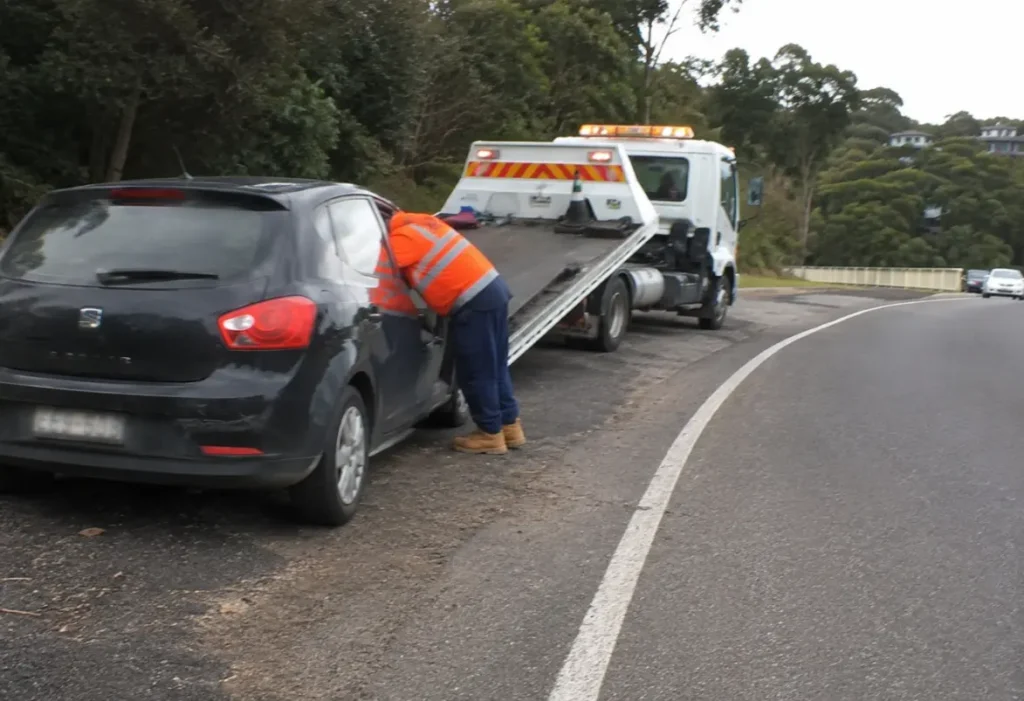
Searching for wrong fuel in car near me usually means you need assistance quickly, but choosing the right type of help is more important than simply finding the closest provider.
If the vehicle has not been started, you may need assistance with safely removing the incorrect fuel. If it has already been driven or has stopped running, additional inspection or towing may be necessary.
For drivers in Sydney, roadside assistance Sydney can be useful when a misfuelled vehicle is stranded at a service station, roadside location, home or workplace. Explain the fuel mistake clearly when making the call so the provider understands the situation.
Can You Fix Wrong Fuel Yourself?
It may be tempting to drain the fuel yourself, particularly if the vehicle has not been started. However, fuel handling requires appropriate equipment and a safe working environment.
Petrol and diesel are flammable, and incorrectly handling or storing drained fuel can create safety and environmental problems. Modern vehicles can also have fuel-system arrangements that make a simple tank drain less straightforward than it appears.
For these reasons, it is generally better to arrange professional assistance rather than attempting an improvised repair beside the road.
Does Adding More Correct Fuel Fix the Problem?
Adding the correct fuel on top of the incorrect fuel does not necessarily make the vehicle safe to drive. The result depends on the type and quantity of incorrect fuel, the vehicle and whether the engine has been operated.
For example, simply adding diesel to a tank that already contains petrol does not remove the petrol from the system. Similarly, adding petrol to diesel does not automatically eliminate the potential effects of the incorrect fuel.
If you are unsure how much incorrect fuel was added, provide that information to the professional assisting you rather than attempting to calculate whether the mixture is safe yourself.
How Can You Prevent a Fuel Mistake?
A few simple habits can reduce the chance of misfuelling, particularly if you drive more than one vehicle.
Check the Fuel Type Before Refuelling
Take a moment to confirm whether the vehicle requires petrol or diesel before picking up the nozzle. The fuel filler flap, vehicle markings or owner’s manual can help confirm the correct fuel type.
This is particularly important when using a hire car, work vehicle or someone else’s car where you may not immediately know which fuel it requires.
Avoid Distractions at the Bowser
Phone calls, rushing and conversations can make it easier to select the wrong pump. Stay focused while refuelling and check the pump and nozzle before filling.
If you regularly use both petrol and diesel vehicles, developing a simple habit of checking the fuel type every time can help prevent an expensive mistake.
Keep the Vehicle Information Handy
Knowing your vehicle’s make, model and fuel type can make roadside assistance easier if something goes wrong. It is also useful to know approximately how much fuel was added if you ever need to report a misfuelling incident.
What Should You Do If Your Car Stops After Misfuelling?
If the vehicle loses power or stops after the wrong fuel has been added, your first priority should be personal safety. If possible, move away from moving traffic and use hazard lights when they are functioning.
Do not repeatedly attempt to restart the vehicle. Contact an appropriate roadside service and explain that the vehicle has been misfuelled, including whether it was driven after refuelling.
If the car cannot be driven safely, a professional recovery service can arrange suitable car towing to a mechanic or another appropriate location.
Getting Professional Help After a Fuel Mistake
A fuel mistake does not automatically mean that your vehicle will suffer permanent damage, but continuing to drive can increase the potential for problems. Keeping the engine off when the mistake is discovered, providing accurate information and arranging suitable assistance are sensible first steps.
For additional information about fuel quality and the potential effects of contaminated fuel on vehicles in NSW, the NSW Government explains the safety and vehicle-damage concerns associated with contaminated fuel in its fuel contamination guidance. This provides useful background for motorists dealing with fuel-Related Problems.