Ways to Improve Fuel Efficiency and Save Money on Every Drive
Fuel prices can change often, but one thing stays the same, every driver wants to get more distance from every tank. Whether you drive daily for work, school, family errands, or long road trips, improving fuel economy can reduce your running costs and help your vehicle perform better over time.
The good news is that you do not always need expensive upgrades to reduce fuel consumption. Simple driving habits, regular maintenance, and smart vehicle care can make a noticeable difference. In this guide, we will cover practical ways to improve fuel efficiency so you can save money, reduce waste, and keep your car running smoothly.
Sometimes, poor fuel efficiency can be a warning sign that something is wrong with your vehicle. If your car suddenly starts using more fuel, loses power, overheats, or feels unsafe to drive, it is better to stop and get professional help instead of continuing the trip. Reliable road assistance or towing support can help you avoid further engine damage, reduce repair costs, and keep you safe on the road.
Why Fuel Efficiency Matters for Every Driver
Fuel efficiency is not only about spending less at the petrol station. It also affects your vehicle’s engine health, tyre life, and overall performance. A car that uses fuel efficiently usually runs cleaner, feels smoother, and puts less stress on important parts.
When your vehicle burns more fuel than necessary, it may be a sign of poor maintenance, bad driving habits, underinflated tyres, or extra weight. By learning the best ways to improve fuel efficiency, you can make your car more economical and reliable without changing your entire lifestyle.
Maintain the Correct Tyre Pressure
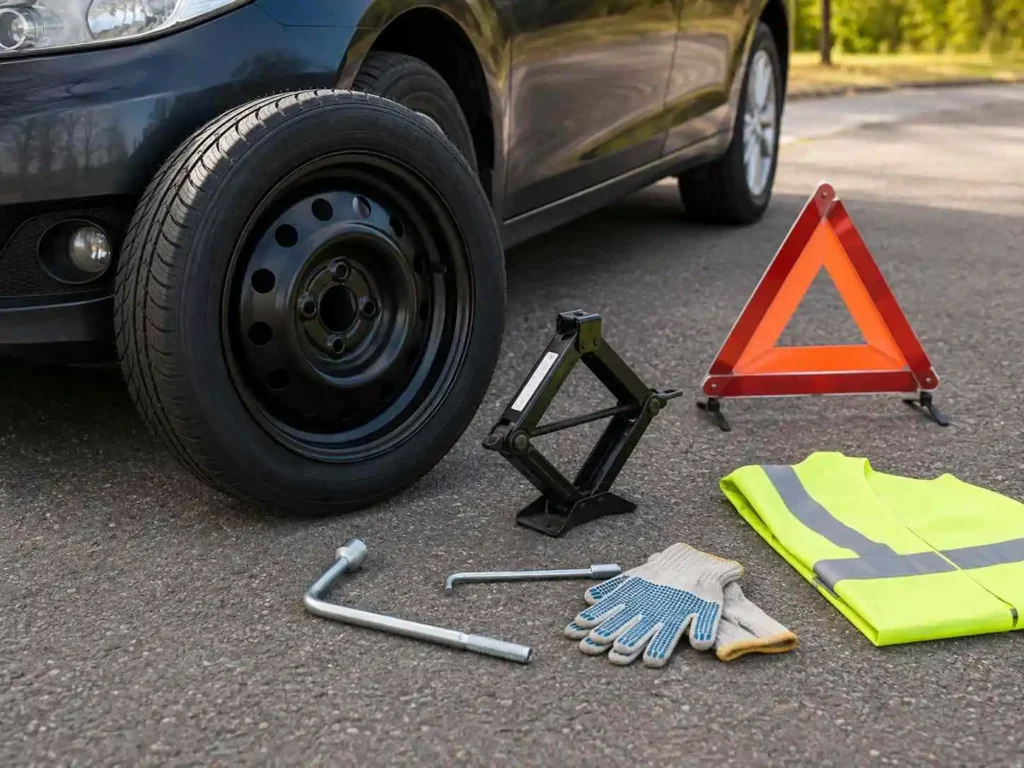
Tyres play a major role in how much fuel your car uses. When tyres are underinflated, they create more rolling resistance. This means your engine has to work harder to move the vehicle, which increases fuel consumption.
Check your tyre pressure at least once a month and before long trips. Use the pressure level recommended in your vehicle owner’s manual or on the tyre information sticker, usually found near the driver’s door. Do not rely only on how the tyres look, because a tyre can be low on air even if it appears normal.
Properly inflated tyres can also improve handling, braking, and tyre lifespan. This makes tyre pressure one of the simplest and most effective ways to improve fuel efficiency.
Drive Smoothly and Avoid Harsh Acceleration
Aggressive driving wastes fuel quickly. Sudden acceleration, hard braking, and rapid speed changes force your engine to burn more fuel than necessary. Smooth driving helps your vehicle maintain momentum and reduces pressure on the engine.
Try to accelerate gently, brake early, and keep a steady speed whenever possible. Look ahead on the road so you can respond calmly to traffic lights, roundabouts, and slow-moving vehicles. This habit is especially useful in city driving, where frequent stops can increase fuel usage.
Smooth driving does not mean driving too slowly. It simply means avoiding unnecessary fuel-burning movements and allowing your vehicle to operate more efficiently.
Reduce Unnecessary Weight in Your Vehicle
Many drivers carry extra items in the boot without realizing how much it affects fuel economy. Heavy sports equipment, tools, boxes, or unused accessories add weight to the car. The heavier the vehicle, the harder the engine has to work.
Remove anything you do not need for daily driving. Roof racks and roof boxes should also be removed when not in use because they increase wind resistance. Even if they are empty, they can make your car less aerodynamic and cause it to use more fuel on highways.
Keeping your vehicle light and clean is one of the easiest ways to improve fuel efficiency without spending any money.
Keep Up with Regular Car Maintenance
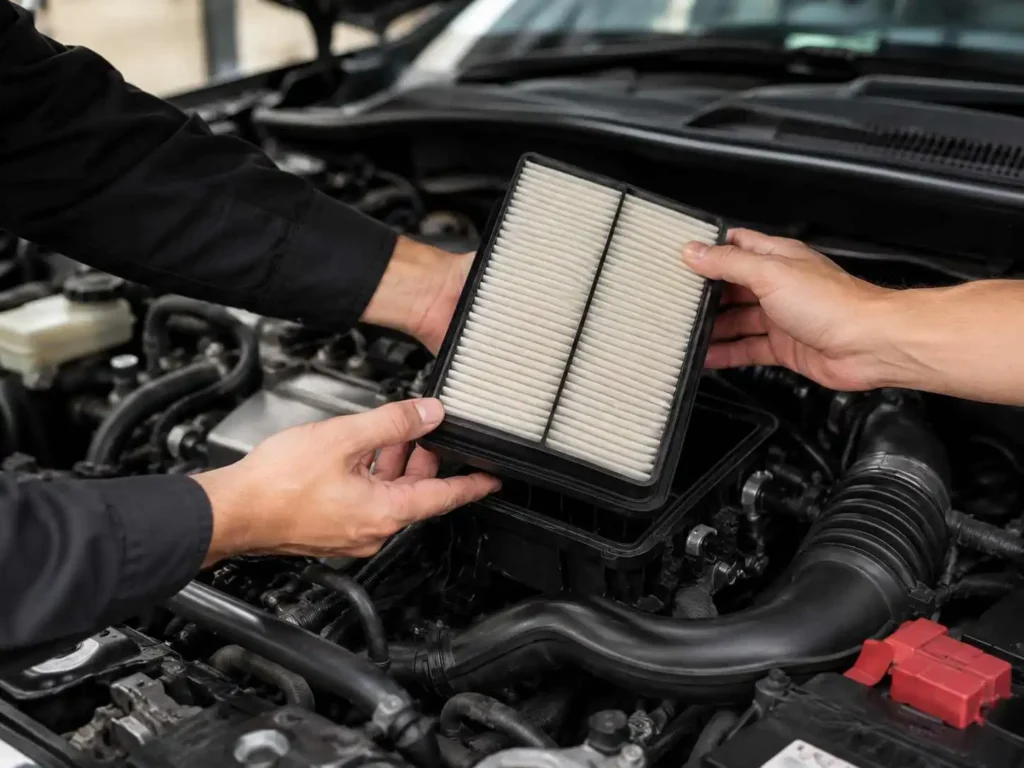
A well-maintained car uses fuel more efficiently than a neglected one. Engine oil, air filters, spark plugs, and fuel systems all affect how your vehicle performs. If any of these parts are dirty, old, or damaged, your engine may burn more fuel to deliver the same power.
Follow your vehicle’s service schedule and do not ignore warning signs such as rough idling, poor acceleration, unusual smells, or increased fuel usage. Regular oil changes help reduce friction inside the engine, while a clean air filter allows proper airflow for efficient combustion.
Routine maintenance may seem like an extra cost, but it can save money in the long run by improving fuel economy and preventing larger repairs.
Use the Right Engine Oil
- Using the right engine oil helps improve fuel efficiency.
- Engine oil reduces friction between moving engine parts.
- If the oil is too thick or not suitable, the engine may work harder.
- A harder-working engine can consume more fuel.
- Always use the oil grade recommended by your car manufacturer.
- Modern vehicles require specific oil types for best performance.
- Using the wrong oil can affect fuel economy, engine protection, and overall performance.
- During servicing, ask your mechanic to use the correct oil for your vehicle model.
- The right engine oil supports smoother engine operation.
- This small maintenance step can help improve fuel economy.
Avoid Excessive Idling
Leaving your engine running while parked wastes fuel. Many drivers idle while waiting outside shops, schools, offices, or driveways. While a few seconds may not matter much, repeated idling every day can add up over time.
If you expect to stop for more than a short moment, it is usually better to turn the engine off when safe to do so. Modern vehicles do not need long warm-up times in normal weather. Gentle driving after starting is often enough to warm the engine efficiently.
Reducing idle time is another practical habit that helps lower fuel consumption and unnecessary emissions.
Stuck on the road? Call Us For fast, safe and affordable towing across Sydney.
Plan Your Trips More Efficiently
Good trip planning can reduce the total distance you drive and the amount of fuel you use. Instead of making several short trips throughout the day, combine errands into one route. This helps reduce cold starts, which can use more fuel because the engine has not reached its ideal operating temperature.
Combine Short Trips Into One Route
Try to plan your errands before leaving home. Visiting multiple places in one trip can help save fuel, reduce unnecessary driving, and make your daily travel more efficient.
Use Navigation Apps to Avoid Traffic
Navigation apps can help you avoid heavy traffic, road closures, and long delays. Sitting in traffic or constantly stopping and starting can increase fuel consumption. Choosing a smoother route, even if it is slightly longer, may sometimes be more efficient than taking a congested road.
Smart route planning is one of the most overlooked ways to improve fuel efficiency, especially for people who drive daily.
Maintain a Steady Speed on Highways
Highway driving can be fuel-efficient when you maintain a steady speed. Constantly speeding up and slowing down wastes fuel, especially at higher speeds. Your car performs best when it can stay within a comfortable and consistent driving range.
Use Cruise Control When It Is Safe
Cruise control can help maintain a constant speed and reduce unnecessary acceleration, especially on long, open roads. However, avoid using cruise control in heavy traffic, wet conditions, or hilly roads where manual control may be safer.
Avoid Driving Too Fast
Driving at moderate speeds can reduce wind resistance and help save fuel. The faster you drive, the more energy your vehicle needs to push through the air.
Use Air Conditioning Wisely
Air conditioning can increase fuel consumption because it places extra load on the engine. However, driving with windows open at high speeds can also reduce fuel efficiency by increasing drag. The best choice depends on your driving conditions.
Choose Windows or Air Conditioning Based on Speed
In city driving, opening the windows at low speeds may be more economical. On highways, using air conditioning moderately may be better than driving with windows fully open.
Keep the Cabin Cool Efficiently
Try not to set the temperature too low, and use the recirculation setting when suitable. This can help the cabin cool more efficiently without wasting unnecessary fuel.
Using air conditioning wisely can help you stay comfortable while supporting better fuel economy.
Check Wheel Alignment and Suspension
Poor wheel alignment can cause your tyres to drag instead of rolling smoothly. This increases resistance and can lead to higher fuel consumption. Misalignment can also cause uneven tyre wear, steering problems, and reduced driving comfort.
Watch for Signs of Poor Alignment
Common signs include the car pulling to one side, uneven tyre wear, or a steering wheel that feels off-center. If you notice these symptoms, have your alignment checked by a professional.
Keep Your Vehicle Rolling Smoothly
Good alignment supports safer driving and better fuel economy. It also helps your tyres last longer and keeps your vehicle more comfortable to drive.
Choose Quality Fuel and Avoid Overfilling
Using the correct fuel type recommended for your vehicle helps the engine perform properly. You do not always need premium fuel unless your manufacturer recommends it, but poor-quality or unsuitable fuel can affect performance.
Check your owner’s manual or fuel cap label to confirm the recommended fuel type. Using the correct fuel helps support cleaner combustion and smoother engine performance.
Replace Dirty Air Filters
Your engine needs a balanced mix of air and fuel to run efficiently. If the air filter is clogged with dust and dirt, airflow becomes restricted. This can reduce performance and may increase fuel use, especially in older vehicles or cars driven in dusty conditions.
Check the Air Filter During Servicing
Ask your mechanic to inspect the air filter during regular servicing. If you often drive on dirt roads, construction areas, or polluted city streets, your filter may need attention sooner.
Help Your Engine Breathe Better
A clean air filter helps your engine breathe better and supports smoother combustion. Replacing a dirty filter can improve performance and support better fuel efficiency.
Monitor Your Fuel Usage
Many drivers only notice fuel problems when costs become too high. Tracking fuel usage can help you identify changes early. You can use your car’s trip computer, a fuel tracking app, or a simple notebook to record distance and fuel fill-ups.
If your fuel economy suddenly drops, check tyre pressure, recent bad driving habits, maintenance history, and possible mechanical issues. A sudden change may indicate a problem such as a faulty sensor, dirty filter, worn spark plugs, or dragging brakes. Monitoring fuel use helps you stay aware and take action before small issues become expensive.
Final Thoughts on Ways to Improve Fuel Efficiency
Improving fuel economy does not require complicated changes. Most drivers can save fuel by maintaining correct tyre pressure, driving smoothly, reducing extra weight, servicing the vehicle on time, and planning trips more carefully.
The best are often simple habits repeated consistently. When you take care of your vehicle and drive with awareness, you can reduce fuel costs, extend the life of your car, and enjoy a smoother driving experience. Start with one or two changes today, and over time, these small improvements can lead to real savings on every journey.