
How Long Does a Car Battery Last? Signs, Lifespan and Replacement Guide
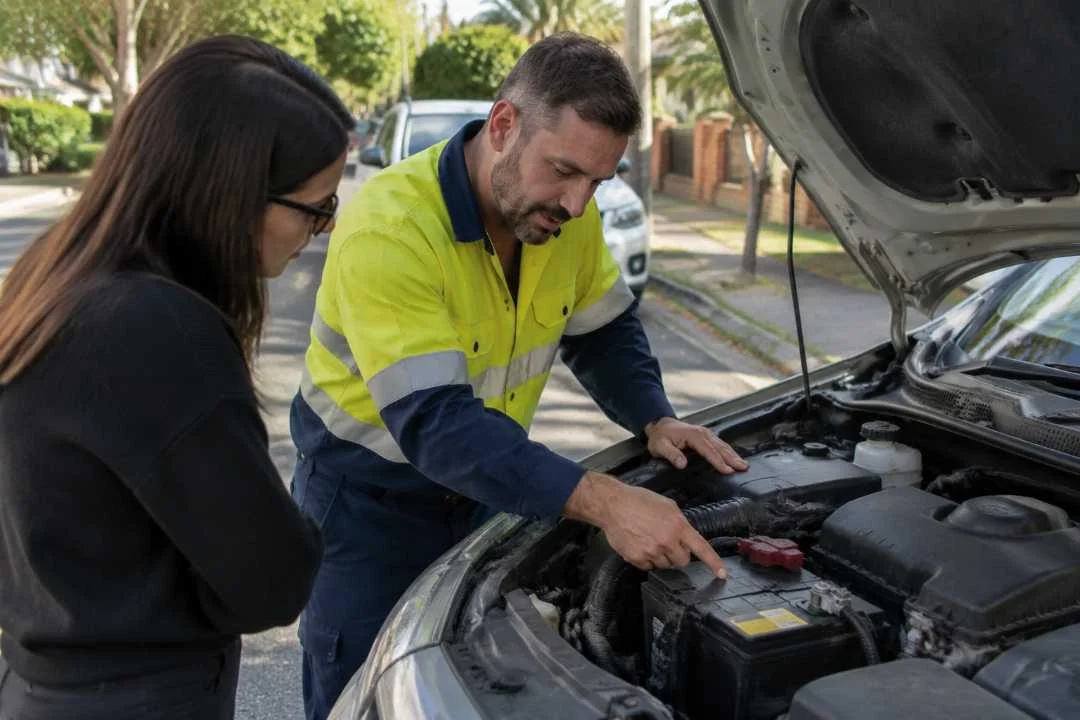
A car battery is responsible for providing the power needed to start your engine and support essential electrical systems. Many drivers ask how long does a car battery last, but the answer depends on several factors, including battery type, driving habits, weather conditions and vehicle usage.
Most standard car batteries last several years, but poor maintenance, extreme temperatures or repeated electrical issues can shorten their lifespan. If your vehicle battery fails unexpectedly and you are unable to continue driving, a reliable towing service can help safely move your vehicle to a suitable location.
Understanding the expected car battery lifespan and recognising early warning signs can help you avoid being stranded and arrange assistance before a complete failure occurs.
How Long Does a Car Battery Last on Average?
A conventional car battery usually lasts around three to five years, although the exact lifespan varies between vehicles. Some batteries may last longer when they are properly maintained and used under suitable conditions.
The question how long does a car battery last on average does not have one fixed answer because every vehicle experiences different driving patterns and electrical demands.
Typical lifespan of a standard car battery
Most petrol and diesel vehicles use a 12-volt battery designed to provide starting power and operate electrical components. Over time, the battery’s ability to hold and deliver charge gradually reduces.
Battery replacement is usually considered when performance declines, the battery reaches an older age or testing shows that it can no longer provide reliable power.
Why battery lifespan varies between vehicles
Several factors influence how long a battery continues working effectively:
- Vehicle usage frequency
- Driving distance and trip length
- Temperature conditions
- Battery quality and type
- Electrical system condition
- Maintenance history
A vehicle used for regular longer trips may maintain battery charge better than one that only completes short journeys.
7 Warning Signs Your Car Battery Is Failing
A failing battery often gives warning signs before it completely stops working. Recognising these symptoms early can help you arrange testing or replacement before your vehicle becomes stranded.
1. Slow engine cranking
A slow engine crank is one of the most common signs of a weak battery. Instead of starting quickly, the engine may take longer to turn over before finally starting.
This usually happens because the battery is no longer providing enough power to the starter motor. Although other mechanical problems can cause similar symptoms, slow starting should always be checked.
2. Clicking sound when starting the vehicle
A clicking noise when turning the key or pressing the start button can indicate that the battery does not have enough power to start the engine.
Repeated clicking may happen when the battery charge is too low to operate the starter system correctly. However, starter motor or electrical faults can create similar problems, so proper diagnosis is recommended.
3. Dim headlights and electrical problems
A weak battery can affect the performance of your vehicle’s electrical systems. Drivers may notice dim headlights, flickering dashboard lights or unusual behaviour from electronic features.
Modern vehicles depend on electrical power for many functions, so these changes should not be ignored.
4. The battery keeps going flat
A battery that repeatedly loses charge is a common warning sign. While leaving lights on or not driving for a long period can drain a healthy battery, frequent flat batteries may indicate an underlying issue.
Possible causes include:
- Ageing battery
- Alternator problems
- Electrical components drawing power
- Poor battery connections
- Excessive accessory use
If your vehicle repeatedly requires assistance to restart, the battery and charging system should both be inspected.
5. Battery warning light appears
The battery warning light does not always mean the battery itself has failed. It can also indicate problems with the charging system, including alternator or wiring issues.
Ignoring this warning can eventually lead to complete electrical failure while driving. Early inspection can help identify the real cause.
6. Corrosion around battery terminals
Battery terminals can develop corrosion over time, which affects the connection between the battery and the vehicle’s electrical system.
White, blue or green deposits around the terminals may reduce electrical flow and contribute to starting problems. Cleaning the terminals may help, but severe corrosion should be properly checked.
7. Battery is reaching the end of its lifespan
Age is an important factor when considering battery replacement. Even if an older battery still starts the vehicle, it may have reduced capacity and become unreliable.
If your battery is approaching the typical three-to-five-year range, testing it can help determine whether replacement is needed before failure occurs.
What Affects Car Battery Lifespan?
The car battery lifespan depends on how the vehicle is driven, maintained and stored. A battery does not wear out at the same rate in every situation.
Climate and temperature impact
Temperature can significantly affect battery performance. High temperatures can accelerate battery deterioration, while cold conditions can make starting more difficult for a weaker battery.
Vehicles exposed to harsh weather conditions may require more frequent battery checks to maintain reliability.
Driving habits and short trips
Short trips can place additional stress on a battery because the alternator may not have enough time to fully restore the energy used during starting.
Vehicles that remain unused for long periods can also lose charge because some electrical systems continue operating even when the engine is switched off.
Electrical demand from modern vehicles
Modern cars include many electrical features such as safety systems, entertainment technology, sensors and cameras.
These features increase the demand placed on the battery. Leaving accessories running while the engine is off can drain the battery faster.
How Long Does a Car Battery Last Without Charging?
Many drivers search for how long does a car battery last without charging, but there is no exact timeframe because battery condition and vehicle electrical usage vary.
A healthy battery may remain usable while a vehicle is parked for some time, but an older battery can lose power much faster.
Factors that affect battery discharge include:
- Battery age
- Vehicle electronics
- Temperature
- Battery condition
- Accessories left switched on
If a vehicle is parked for an extended period, regular checks can help prevent unexpected starting problems.
How Long Does a Hybrid Car Battery Last?
The answer to how long does a hybrid car battery last depends on the type of battery being discussed. Hybrid vehicles usually contain a high-voltage battery pack and a separate 12-volt battery.
These two systems perform different functions and should not be treated as the same component.
High-voltage hybrid battery
The high-voltage battery powers the electric motor and is designed to handle repeated charging and discharging during normal driving.
Its lifespan depends on factors such as vehicle design, battery technology, driving conditions and climate.
Hybrid 12-volt battery
The smaller 12-volt battery supports many standard electrical functions and can also cause starting issues if it becomes weak.
A hybrid vehicle that does not start does not always have a problem with the main hybrid battery. Proper diagnosis is needed to identify the cause.
How Long Does the Battery Last on a Hybrid Car?
Many people asking how long does the battery last on a hybrid car are referring to the high-voltage battery system.
Hybrid batteries are designed for long-term use, but their performance can gradually change as they age. Regular servicing and following manufacturer recommendations can help maintain battery reliability.
The smaller 12-volt battery usually has a different lifespan and may require replacement sooner than the main hybrid battery.
How Long Does an Electric Car Battery Last?
Electric vehicle batteries work differently from traditional car batteries because they power the vehicle’s movement rather than only starting the engine.
The lifespan of an electric vehicle battery depends on:
- Battery chemistry
- Charging habits
- Climate
- Driving style
- Vehicle design
Electric batteries generally lose capacity gradually over time rather than failing suddenly.
How long does electric car battery last in a day?
The answer to how long does electric car battery last in a day depends on the vehicle’s battery capacity and how it is driven.
Daily range can be affected by:
- Driving speed
- Traffic conditions
- Weather
- Heating and cooling usage
- Road conditions
A larger battery may provide greater range, but real-world performance varies between drivers.
How To Extend Your Car Battery Life

Although every battery eventually wears out, good maintenance habits can help improve reliability.
Helpful practices include:
- Keep battery terminals clean
- Avoid leaving electrical accessories running
- Check battery condition during servicing
- Fix charging system problems quickly
- Drive your vehicle regularly
- Use the correct battery type
Regular maintenance can reduce the chance of unexpected battery failure.
What To Do When Your Car Battery Fails
A failed battery can happen at home, work or while travelling. If your vehicle cannot start, make sure you are in a safe location before attempting any solution.
For battery-related roadside problems, Roadside Assistance Sydney can provide support and help determine whether the issue can be resolved at the location.
If the vehicle cannot be restarted and needs transportation, Car Towing can safely move your vehicle to a workshop or preferred destination.
Battery issues can also affect motorcycles, and riders who cannot safely continue may require Motorcycle Towing to transport their bike securely.
When Should You Replace a Car Battery?
Replacing a battery before it is needed can be unnecessary, but waiting until complete failure can leave you stranded.
Consider testing your battery if:
- It is several years old
- Starting performance has reduced
- The vehicle needs repeated jump starts
- Electrical issues appear
- Warning lights appear
- The battery has been completely discharged
A battery test can help determine whether replacement is needed or whether another vehicle component is causing the problem.
Understanding Modern Vehicle Battery Technology
Battery technology continues to change with the growth of hybrid and electric vehicles. Understanding the differences between conventional batteries, hybrid systems and electric vehicle batteries can help drivers make informed maintenance decisions. For additional information about electric vehicle battery technology, the Australian Government electric vehicle information resources provide general guidance.


