Signs of a Bad Alternator: Warning Signs Your Car Needs Attention
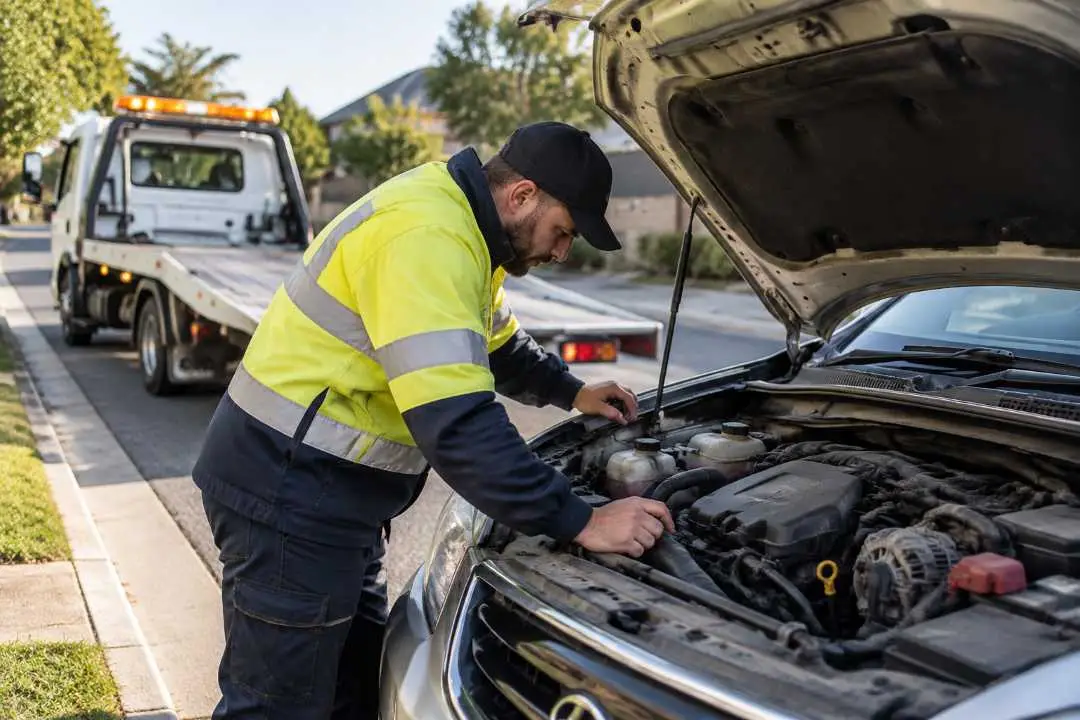
A vehicle’s alternator is one of the most important components in the charging system. It keeps the battery powered and supplies electricity to essential systems such as headlights, dashboard controls, air conditioning, and other electrical features while the engine is running.
Many drivers mistake alternator issues for battery problems because both can cause starting and electrical failures. Knowing the signs of a bad alternator can help you identify the problem early and avoid being left stranded with an unexpected breakdown.
For reliable vehicle support when electrical problems leave you unable to drive, AH Towing Services provides professional towing and roadside assistance solutions across Sydney.
What Does an Alternator Do in a Vehicle?
The alternator works together with the battery to keep your vehicle’s electrical system operating correctly. While the battery provides the initial power to start the engine, the alternator recharges the battery and powers electrical components once the engine is running.
When the alternator begins to fail, the battery may not receive enough charge. This can slowly reduce performance and eventually cause the vehicle to stop working completely.
Understanding how the charging system works makes it easier to identify whether the issue is related to the alternator, battery, or another component.
Common Signs of a Bad Alternator
A failing alternator usually provides warning signs before complete failure occurs. Recognising these symptoms early can help you arrange repairs before your vehicle breaks down.
Dim or Flickering Headlights
One of the most noticeable signs of a bad alternator is inconsistent lighting. If your headlights become dim, flicker, or change brightness while driving, the alternator may not be supplying enough electrical power.
You may notice the problem becomes worse when using multiple electrical features, such as air conditioning, heated seats, or audio systems.
Battery Warning Light Appears
The battery-shaped warning light on your dashboard does not always mean the battery itself is faulty. In many cases, it indicates a problem with the charging system, including the alternator.
If this warning light appears while driving, it is important not to ignore it because the vehicle may eventually lose electrical power.
Slow Engine Starting
A weak alternator can prevent the battery from receiving enough charge. Over time, this can make starting the vehicle more difficult.
Drivers often confuse this issue with signs of a bad car battery, but the alternator may be the reason the battery keeps losing power.
Strange Noises From the Engine Area
Unusual sounds such as whining, grinding, or squealing noises can indicate alternator problems. These sounds may occur when internal alternator parts, bearings, or belts become worn.
Ignoring these noises may result in further damage and a complete charging system failure.
Electrical Components Stop Working Properly
Modern vehicles rely heavily on electrical systems. When the alternator begins failing, different features may start behaving differently.
Common electrical issues include:
- Weak interior lights
- Slow power windows
- Radio shutting off
- Dashboard display problems
- Air conditioning performance changes
If several electrical issues appear together, the alternator should be inspected.
Alternator vs Battery: How to Identify the Difference
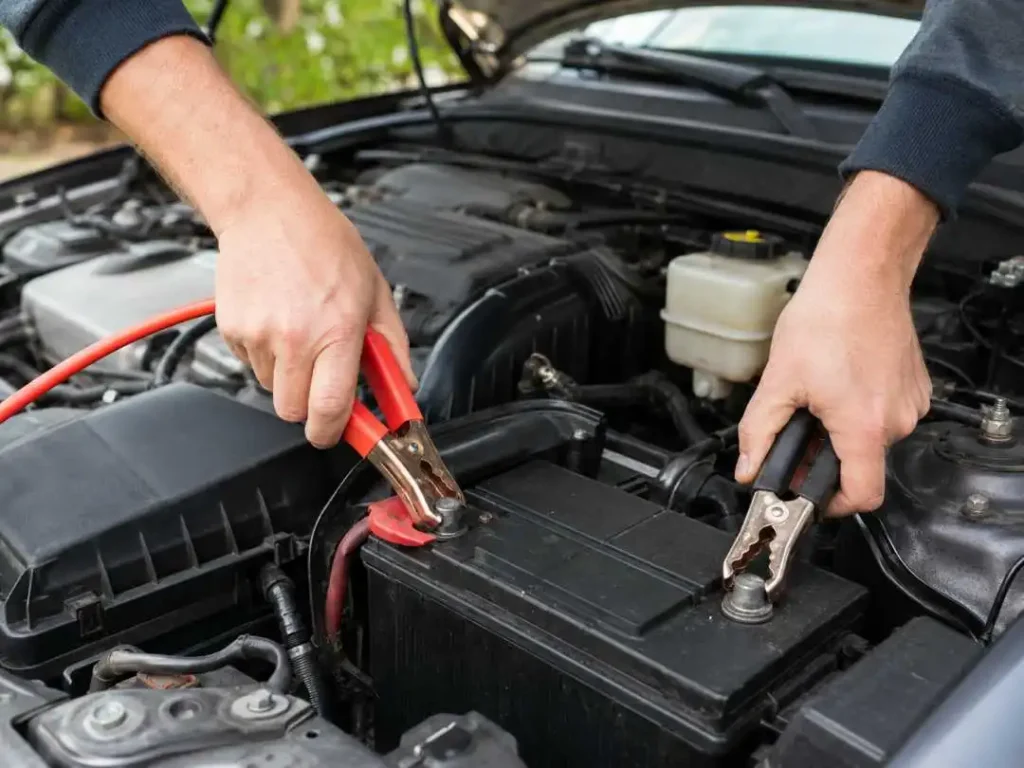
Many drivers search for alternator vs battery problems because both failures can create similar symptoms. However, these components have different roles in your vehicle.
The battery stores electrical energy and starts the engine, while the alternator generates electricity and keeps the battery charged during operation.
| Issue | Alternator Problem | Battery Problem |
|---|---|---|
| Main function affected | Charging system | Power storage |
| Common symptom | Electrical issues while driving | Vehicle struggles to start |
| Dashboard warning | Battery warning light may appear | Usually no charging warning |
| Vehicle behaviour | May stop after losing power | Often fails during starting |
| Common solution | Alternator inspection or replacement | Battery testing or replacement |
Knowing the difference between these problems can help you explain the symptoms more accurately when seeking professional assistance.
Signs of a Bad Car Battery vs Starter Problems
Starting problems do not always mean you have an alternator issue. A faulty battery or starter motor can create similar symptoms, which makes diagnosis important.
Signs of a Bad Car Battery
Some common signs of a bad car battery include:
- Clicking sounds when trying to start
- Slow engine cranking
- Electrical features becoming weak
- Problems starting after the vehicle sits unused
A battery problem usually affects the starting process rather than causing electrical failures while driving.
Signs of a Faulty Starter Motor
The starter motor is responsible for turning the engine when you start your vehicle. If the starter fails, the battery may still have enough power, but the engine will not crank properly.
Common starter symptoms include:
- Clicking noise when turning the key
- No engine movement
- Intermittent starting problems
Understanding signs of a bad car battery vs starter issues can help avoid replacing the wrong component.
What Causes an Alternator to Fail?
Alternators are designed to last for many years, but several factors can reduce their performance. Regular servicing can help identify problems before they become serious.
Common causes of alternator failure include:
- Worn belts
- Damaged internal parts
- Electrical system overload
- Age-related wear
- Poor battery condition
Ignoring small warning signs can turn a minor charging issue into a complete vehicle breakdown.
What Should You Do If Your Alternator Fails While Driving?
If your alternator fails while driving, your vehicle may continue running temporarily using the remaining battery power. However, once that power is exhausted, the engine and electrical systems may shut down.
If you experience warning signs, you should:
- Turn off unnecessary electrical features
- Move to a safe location if possible
- Avoid repeatedly restarting the vehicle
- Contact professional roadside assistance
For vehicles that cannot continue safely, roadside assistance Sydney can help provide support and arrange suitable recovery options.
Can You Drive With a Bad Alternator?
Driving with a failing alternator is not recommended because your vehicle depends on the remaining battery charge. Once the battery becomes empty, the vehicle may stop suddenly.
The distance you can travel depends on several factors, including battery condition, vehicle type, and how many electrical systems are being used.
If your vehicle becomes undriveable, professional car towing services can help transport it safely to a repair facility.
How to Prevent Alternator Problems
Regular maintenance can reduce the risk of unexpected charging system failures and help you identify issues before they become expensive repairs. Paying attention to early warning signs, checking important components, and following recommended servicing schedules can improve vehicle reliability.
Helpful maintenance tips include:
- Check battery condition regularly
- Inspect belts during routine servicing
- Pay attention to dashboard warning lights
- Avoid ignoring unusual electrical behaviour
- Schedule vehicle inspections when problems appear
Keeping your vehicle’s electrical system in good condition can help prevent roadside breakdowns. Following basic maintenance guidance, including checking battery performance and warning signs early, can help extend the life of important components. The National Highway Traffic Safety Administration vehicle maintenance guidance also highlights the importance of regular vehicle safety checks and proper maintenance practices.
When Should You Get Professional Help?
If your vehicle shows multiple electrical warning signs, professional inspection is the safest option. A mechanic can test the alternator, battery, and charging system to identify the exact cause.
If your vehicle has already stopped working, motorcycle towing services and other specialised towing options can help move different vehicle types safely when required.
For additional information about vehicle batteries and electrical systems, you can also check guidance from trusted automotive organisations such as the NRMA before arranging repairs or roadside support.


