How to Choose a Towing Company in Sydney
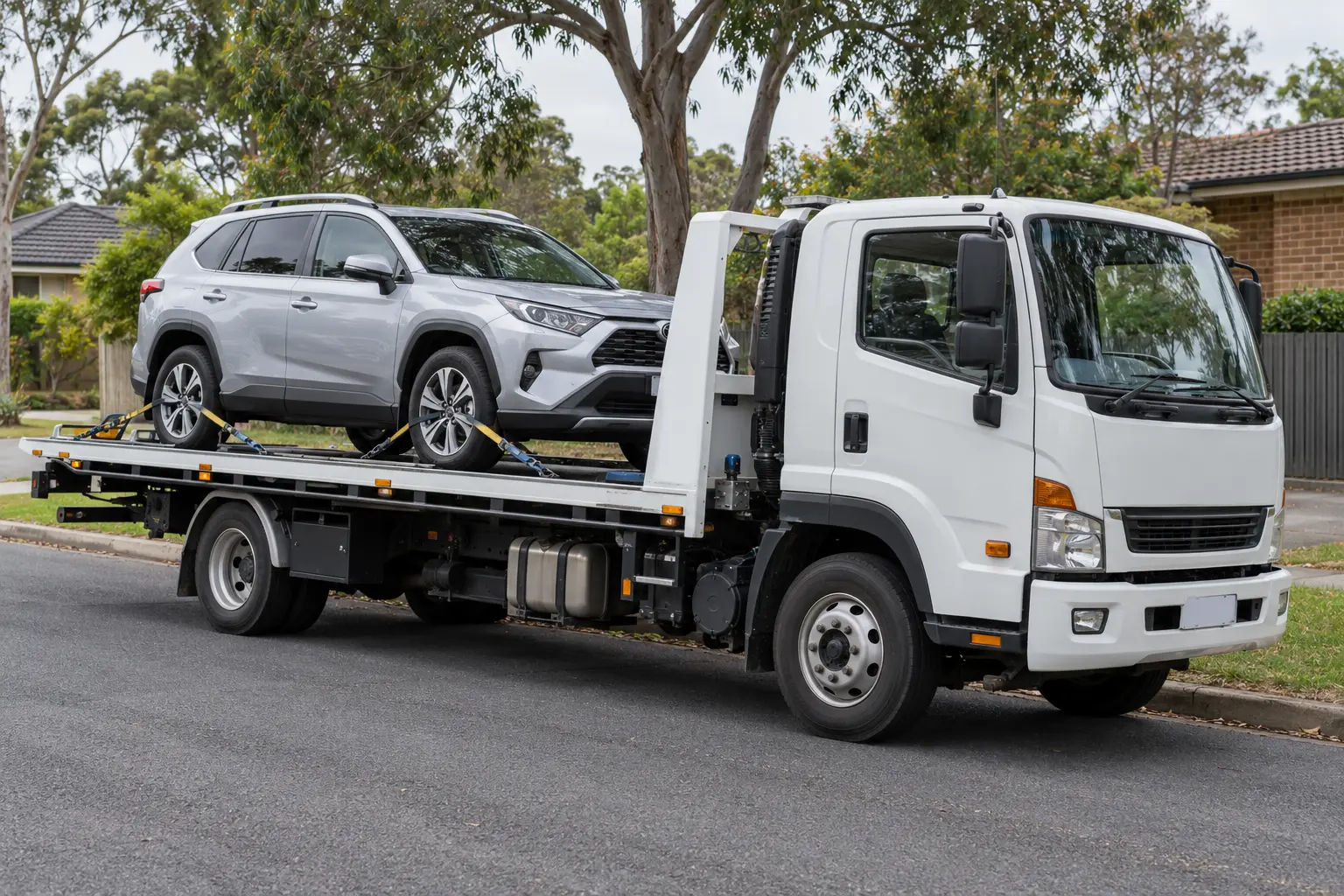
Knowing how to choose a towing company starts with checking its identity, applicable licensing, vehicle suitability and complete quote. Before accepting, confirm who will collect your vehicle, what the price includes and where it will be delivered.
An affordable quote can offer good value. However, the lowest advertised price tells you little about loading arrangements, possible additional charges or storage. Whether you need help after a breakdown, collision recovery or planned transport across Sydney, compare the complete service before agreeing.
Start With Your Vehicle and the Situation
The right towing arrangement depends on what has happened and where your vehicle is located. A car parked in a driveway presents different requirements from a collision-damaged vehicle or one stopped in an underground car park.
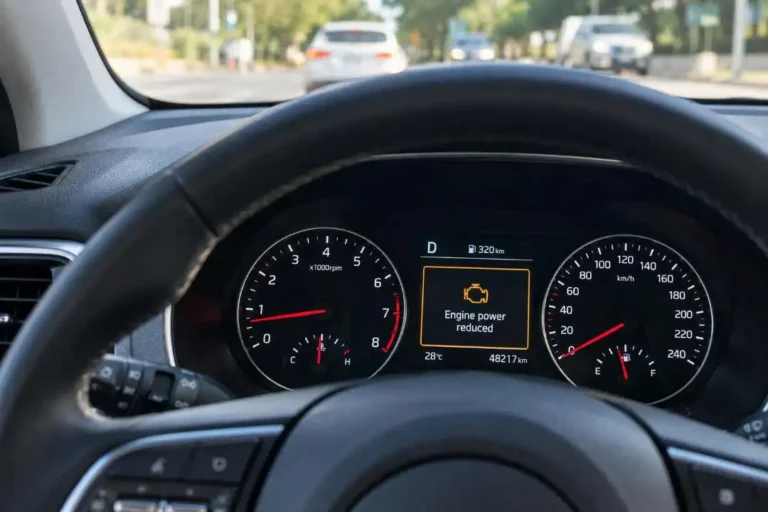
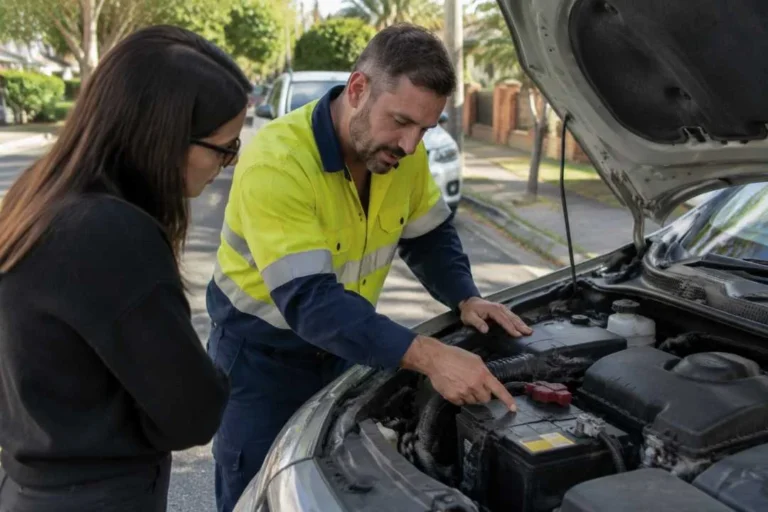
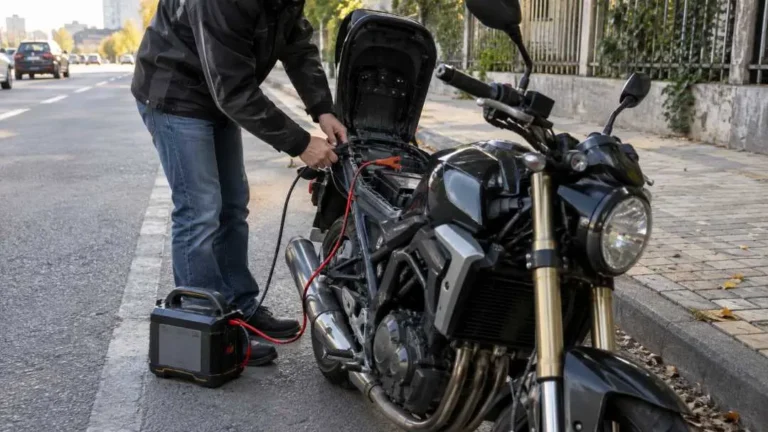
Explain whether you need breakdown assistance, accident towing or scheduled transport. For a breakdown, professional roadside assistance in Sydney may be worth discussing, although an assessment may still identify a need for towing.
Provide your vehicle’s make, model and approximate size. Explain whether it rolls, steers and has accessible keys, and mention damaged wheels, locked brakes or modifications.
Describe access restrictions, including low ceilings, steep driveways, narrow entrances and nearby traffic. Give the precise pickup location and direction of travel where relevant. Accurate information helps the operator assess suitability before dispatching a truck.
How to Choose a Towing Company Before Confirming Your Booking
A useful comparison involves more than checking availability. Ask questions that establish who is doing the work, whether the proposed setup suits your vehicle and how the booking will be managed.
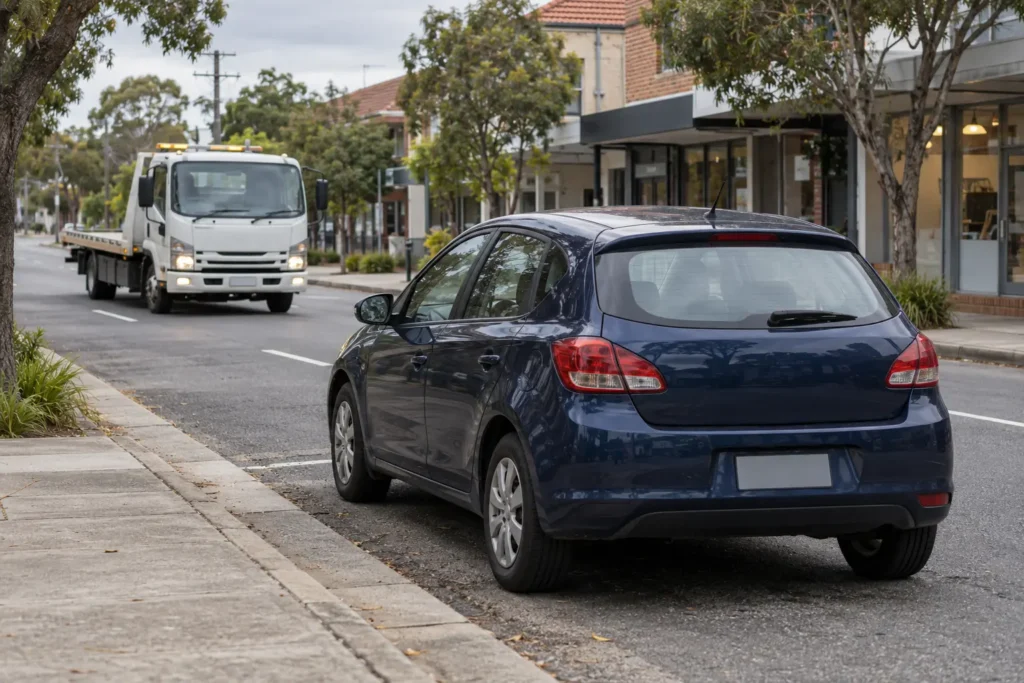
Check the business identity and applicable licensing
Ask for the operator’s legal name, contact details and applicable licence number. If you contacted a booking service, establish which towing business will actually collect the vehicle.
NSW has different operator licence categories for accident and breakdown or trade towing, with exemptions for certain vehicles and trailers. Ask whether the operator’s licence covers your particular job. The NSW Government’s tow truck operator guidance explains these distinctions.
Ask what insurance covers
Ask about cover relevant to loading, transport and unloading, including limits, exclusions and the process for reporting damage. “Fully insured” alone does not explain whether your particular vehicle and circumstances are covered.
For a valuable or modified vehicle, request clarification before booking. If practical and safe, keep photographs of its existing condition.
Confirm equipment for your vehicle
Ask how the operator proposes to load and transport your specific vehicle. Describe low ground clearance, drivetrain type, vehicle weight and any wheel or suspension damage.
For car towing in Sydney, suitability should be assessed against the vehicle’s condition, access and manufacturer instructions. Avoid assuming that one towing method suits every car.
Read reviews alongside the other checks
Look for recent reviews describing jobs similar to yours. Comments about communication, quote clarity and delivery arrangements are more useful than a star rating alone.
Notice how the company answers your questions directly. Reviews can support your decision, but they cannot verify licensing, insurance or suitability for your booking.
Request a realistic arrival estimate
Ask for an estimated arrival window and how you will receive updates. Traffic, existing jobs and access conditions can affect collection.
Clarify whether the booking is confirmed or still awaiting truck allocation. An estimate helps you plan; it should not be treated as a guaranteed arrival time.
Compare the Complete Quote Before Agreeing
An upfront towing quote is useful when it describes the actual job. Give each provider the same pickup address, destination and vehicle details so you can compare equivalent services.
Ask whether the amount is a confirmed price or an estimate. Request written confirmation by text or email where possible, then check:
- Locations: Does the quote cover collection and delivery at the exact addresses supplied?
- Vehicle condition: Does it account for the car not rolling, steering or being readily accessible?
- Distance: What journey does the quoted distance cover, and are additional kilometres possible?
- GST: Is GST included where applicable?
- Timing: Could after-hours, weekend or public holiday charges apply?
- Loading: Are winching, difficult recovery or specialist equipment included if needed?
- Delays and storage: Could waiting, storage or release charges arise?
- Changes: What circumstances could change the estimate, and how will these be discussed?
- Payment: When is payment due, which methods are accepted and will you receive an itemised receipt?
These are questions to ask, rather than charges every operator necessarily applies. A simple collection may need fewer conditions than a difficult recovery.
For example, two quotes may appear different because one includes delivery to your mechanic while the other assumes delivery to a holding yard. Comparing the complete journey makes the difference clearer.
Why Choosing Only on Price Can Create Problems
The risks of cheap towing companies should be assessed through their terms and suitability, rather than assuming that affordable service is unsafe. A higher price also does not establish reliability.
Potential problems arise when important details remain unclear. An advertised starting price might not cover your distance or loading requirements. A vague equipment answer may leave suitability unresolved, while an unspecified destination could introduce storage or another transfer.
When considering the risks of cheap towing in Sydney, watch for pressure to agree before receiving answers. Be cautious if the business will not identify the collecting operator, explain possible extras or confirm delivery arrangements.
A lower quote can still be the sensible choice when the operator satisfies your checks and the service matches your needs. Price matters, but it should be compared alongside clear conditions.
Confirm Where Your Vehicle Will Be Taken
Agree on the delivery address before collection and check that the receiving location can accept the vehicle. A closed workshop or inaccessible driveway can complicate an otherwise straightforward booking.
Ask what happens if delivery cannot be completed. If storage might be involved, confirm the yard address, applicable charges, collection arrangements and whether another tow will be needed.
For NSW accident towing, specific authorisation requirements apply. The completed authorisation identifies the destination and an alternative holding yard address; read it before signing and retain your copy. The driver must deliver to the destination specified, subject to relevant police or authorised-officer directions. These accident requirements should not be assumed to apply identically to routine breakdown towing. See the NSW accident towing authorisation guidance.
If insurance may cover the tow, ask your insurer about approval and the intended repairer or destination. Do not assume every policy pays for every tow.
Questions to Ask Before You Book
Keep this checklist available during the call. It helps you confirm the essential details without needing to remember every point while dealing with a stressful situation.
- Can you transport my vehicle in its current condition?
- What equipment will you use?
- What does the quote include?
- What circumstances could add charges?
- What is the estimated arrival time?
- Where will the vehicle be delivered?
- Could storage be involved, and on what terms?
- What paperwork and payment are required?
Before ending the conversation, repeat the pickup address, destination and agreed amount or estimate. Save the booking confirmation and the collecting business’s contact details.
Frequently Asked Questions
These answers address booking situations that may need a little more preparation. Your vehicle’s condition, insurance policy and collection circumstances will determine the appropriate arrangements.
Should I contact my insurer before arranging a tow?
Where practical, contact your insurer first after a collision to ask about approval, coverage and the destination. If police or another authorised officer directs removal, follow those directions and update your insurer when possible. Keep towing documents and receipts.
Can I arrange towing in advance for a non-running car?
Yes, you can request a scheduled booking. Explain whether the car rolls and steers, whether keys are available and how it can be accessed. Confirm the collection window and ensure someone can receive it at the destination.
What should I do if the quote changes when the truck arrives?
Ask what new information caused the change and request a revised breakdown before agreeing to additional work, where circumstances allow. Compare it with the original confirmation and retain messages and receipts. Do not assume every increase is unjustified, but unresolved charges deserve clarification.
What information should I provide about an EV, AWD or lowered vehicle?
Provide the exact make, model, year, drivetrain and modifications, together with any damage or loss of power. Share the manufacturer’s recovery instructions if available. The operator should assess the towing method against those instructions and the vehicle’s condition.
To discuss your vehicle, pickup location, destination and quote, call AH Towing Services on 0420 502 202. Ask about suitable towing services across Sydney and confirm availability, vehicle suitability and booking conditions.