Car Is in Limp Mode: What It Means and What You Should Do
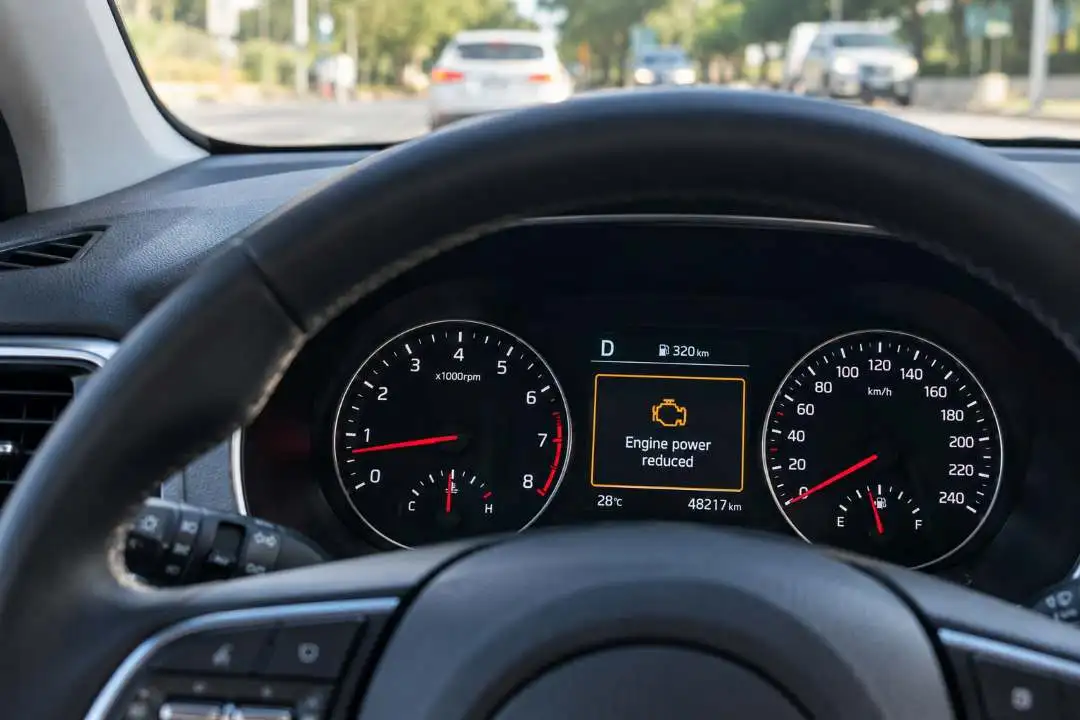
When a car is in limp mode, the vehicle’s computer has detected a problem and may deliberately reduce engine power, limit gear changes or restrict performance. This is designed to help protect important components while still allowing the driver to move the vehicle to a safe location in some situations.
Limp mode can be caused by problems involving the engine, transmission, sensors, throttle system, electrical system or other components. If your vehicle suddenly loses power or refuses to shift normally, AH Towing Services can provide professional towing and roadside support when continuing to drive is not a sensible option.
What Does Limp Mode Mean in a Car?
Limp mode, sometimes called reduced-power or failsafe mode, is a protective strategy used by many modern vehicles. When the vehicle detects a fault that could affect the engine, transmission or emissions system, the computer may restrict performance rather than allowing the vehicle to operate normally.
The exact behaviour varies between makes and models. Some cars may limit acceleration, while others may stay in a particular gear, restrict engine speed or display a warning message on the dashboard.
Why Does a Car Enter Limp Mode?
The vehicle’s control system monitors information from numerous sensors and components. If the readings fall outside expected parameters or a significant fault is detected, the system may reduce performance.
Common causes can include:
- Transmission faults
- Throttle body or accelerator problems
- Faulty engine sensors
- Turbocharger or boost problems
- Overheating
- Fuel or air delivery problems
- Electrical or voltage issues
- Emissions-system faults
- Problems with diesel particulate filter systems on applicable vehicles
The exact cause cannot be determined from limp mode alone. A diagnostic scan and proper mechanical inspection are usually needed to identify the underlying fault.
What Does Limp Mode Feel Like?
The change can be quite noticeable while driving. You may find that the accelerator produces little response, the vehicle struggles to gain speed or the automatic transmission does not change gears as expected.
Some drivers also notice warning lights, rough running, unusual noises or a restricted engine speed. If several symptoms appear together, it is better to treat the situation as a mechanical warning rather than simply an inconvenience.
What Causes a Car to Go Into Limp Mode?
There is no single fault responsible for limp mode. The system can be triggered by different problems depending on the vehicle’s design and the information being received by its electronic control modules.
Engine and Sensor Problems
Modern engines depend on sensors to monitor air intake, throttle position, engine temperature, fuel delivery and other operating conditions. A faulty sensor or an abnormal reading can cause the vehicle to reduce performance.
A dirty or malfunctioning throttle body, faulty airflow sensor or other engine-management issue can also contribute. Because several different faults can produce similar symptoms, replacing parts without diagnosing the problem first can waste money.
Transmission Problems
Automatic transmissions are another common area associated with reduced-power or failsafe operation. If the transmission computer detects a serious problem with gear selection, pressure or other monitored conditions, it may restrict available gears.
You may notice harsh gear changes, the vehicle staying in one gear or difficulty accelerating normally. If the transmission is behaving unusually, continuing to drive for a long distance can make an existing mechanical problem harder to assess.
Turbocharger and Boost Issues
Turbocharged engines rely on controlled airflow and boost pressure. A fault involving boost pressure, hoses, sensors or turbocharger operation can cause the vehicle to reduce engine output.
This can be especially noticeable when accelerating or climbing a hill. If the vehicle suddenly loses power and enters limp mode, avoid repeatedly forcing the engine to accelerate hard.
Overheating and Other Serious Faults
Some vehicles may reduce engine performance when operating temperatures become unsafe. Overheating should never be treated as a minor limp-mode issue because continued driving can result in significant engine damage.
If the temperature gauge is high, coolant is leaking, steam is visible or a temperature warning appears, stop driving as soon as it is safe. Allow the vehicle to cool and arrange professional assistance rather than attempting a long journey.
Can a Bad Battery Put a Car in Limp Mode?
Many drivers ask, can a bad battery put car in limp mode because electrical problems can sometimes produce unusual behaviour in modern vehicles. A weak or failing battery does not necessarily cause limp mode directly, but low system voltage can interfere with electronic modules and sensors on some vehicles.
Modern cars depend heavily on stable electrical power. If the battery, alternator or charging system is not operating correctly, several warning lights or electronic faults may appear at the same time.
How Battery Problems Can Affect Modern Cars
A weak battery may cause slow starting, flickering lights, electrical glitches or multiple warning messages. In some vehicles, low voltage can also contribute to communication faults between electronic control modules.
However, replacing the battery without testing the charging system may not solve the problem. If the alternator or another electrical component is responsible, the same symptoms can return.
How to Check the Battery and Charging System
If electrical symptoms appear at the same time as limp mode, a professional should check the battery and charging system rather than assuming the battery is the only problem.
Useful checks can include:
- Battery condition and voltage
- Alternator charging output
- Battery terminals and connections
- Relevant fuses
- Diagnostic fault codes
- Electrical communication between control modules
The results can help distinguish a genuine battery problem from an unrelated engine or transmission fault.
Can I Drive a Car in Limp Mode?
The answer depends on why the vehicle entered limp mode and how it is behaving. If the car has only limited power but steering, braking, temperature and other essential systems appear normal, moving a short distance to a safe location or repair facility may sometimes be possible.
However, limp mode should not be treated as permission to continue driving normally. Reduced acceleration can make it difficult to merge, overtake, climb hills or respond quickly to changing traffic conditions.
When a Short Drive May Be Possible
If the vehicle is stable, there are no serious warning signs and you only need to move it a short distance to a safe place, drive gently and avoid unnecessary acceleration. Keep the journey as short as practical and pay close attention to the vehicle’s behaviour.
Do not attempt to test how fast the car can go or whether the problem disappears after driving. Limp mode exists because the vehicle has detected something that needs attention.
When You Should Not Keep Driving
Stop and arrange assistance if you notice symptoms such as:
- Overheating
- Low oil pressure warning
- Severe engine knocking
- Smoke or steam
- Strong burning smells
- Major fluid leaks
- Serious transmission behaviour
- Brake or steering problems
- Severe loss of power
- The vehicle becoming difficult to control
In these situations, roadside assistance Sydney can be a safer option than attempting to reach a workshop under your own power.
Can I Drive My Car in Limp Mode 100 Miles?
If you are asking, can I drive my car in limp mode 100 miles, there is no universal distance that can be considered safe. Limp mode does not tell you exactly how serious the underlying fault is, so driving 100 miles could turn a manageable problem into a much more expensive failure.
A vehicle may appear to run reasonably well while still having a fault that requires immediate attention. The reduced power may also make a long highway journey unsafe because the vehicle may struggle to accelerate when traffic conditions change.
| Situation | Driving advice |
|---|---|
| Mild power reduction with no serious warning signs | Only consider a short trip to a safe location or repairer |
| Transmission stuck in one gear | Avoid a long journey and arrange an inspection |
| Engine overheating | Stop driving and arrange assistance |
| Severe engine noise | Do not continue driving |
| Smoke, steam or fluid leak | Stop and arrange recovery |
| Brake or steering problem | Do not drive the vehicle |
| Limp mode with major power loss | Towing is generally the safer option |
| Fault returns immediately after restarting | Arrange diagnosis rather than continuing a long trip |
For a 100-mile journey, towing the vehicle to a suitable repair facility is generally a more controlled option than relying on a vehicle that has already entered a protective operating mode.
Why Is My Car in Limp Mode With No Check Engine Light?
A particularly confusing situation is when a car goes in limp mode no check engine light appears. The absence of the check engine light does not necessarily mean there is no fault.
Different vehicle systems can use different warning messages and indicators. A transmission-related problem, electronic fault or intermittent issue may not always produce the exact dashboard warning a driver expects.
Possible Reasons for No Check Engine Light
A fault may be stored in another control module rather than the engine control system. The vehicle may also have a temporary or intermittent fault that affects operation without keeping the engine warning light illuminated.
Some vehicles display messages such as “transmission fault”, “reduced engine power” or “service vehicle” instead of relying solely on the check engine light.
Why a Diagnostic Scan Matters
A diagnostic scan can retrieve fault codes and provide useful information about what the vehicle’s electronic systems have detected. However, a fault code is not automatically proof that the named component needs replacing.
A qualified technician should interpret the codes alongside the vehicle’s symptoms, inspection results and manufacturer-specific diagnostic procedures.
What Should You Do When Your Car Enters Limp Mode?
The safest response is to stay calm and avoid aggressive acceleration. Your first priority should be getting yourself and the vehicle into a safe position.
If the vehicle is still moving normally enough to reach a safe location, reduce speed smoothly and avoid unnecessary lane changes or overtaking. Once stopped, record any warning messages and note what the vehicle was doing immediately before limp mode appeared.
Check the Basic Warning Signs
Once safely stopped, look for obvious signs that indicate the vehicle should not be driven further. Check the temperature gauge, warning lights, unusual sounds, smoke and visible fluid leaks without placing yourself in danger.
Avoid opening a hot cooling system or reaching into the engine bay while components are hot or moving. If you are unsure what you are seeing, wait for professional assistance.
Arrange the Right Type of Assistance
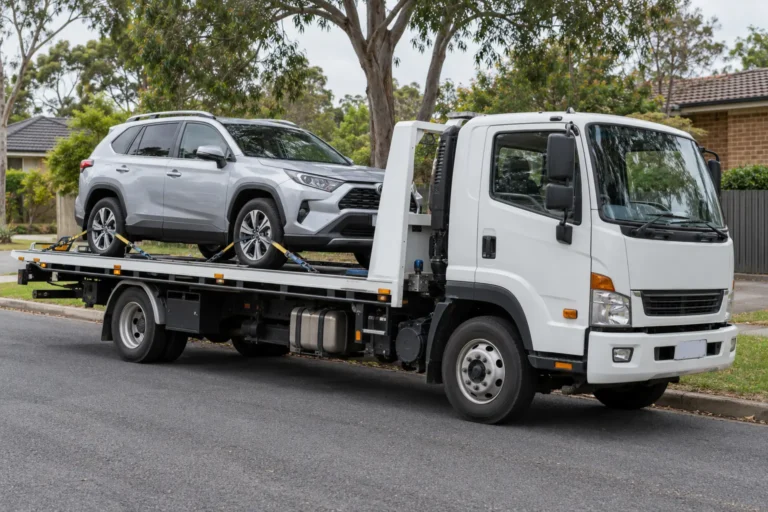
If the vehicle cannot safely continue, car towing service support can move it to a mechanic or another suitable location. Tell the towing provider that the vehicle has entered limp mode and explain any warning lights, unusual noises or loss of power.
Providing this information in advance can help the recovery team understand the situation and determine the appropriate towing approach.
How Can You Prevent Limp Mode Problems?
You cannot prevent every fault that can trigger limp mode, but regular maintenance can reduce the likelihood of some problems becoming serious. Following the vehicle manufacturer’s recommended servicing schedule is a practical starting point.
Pay attention to smaller changes in how the vehicle behaves rather than waiting for a major failure. Sluggish acceleration, unusual gear changes, warning messages or recurring electrical issues are worth investigating before they develop into a roadside breakdown.
Keep Up With Routine Servicing
Routine servicing can help identify issues with fluids, filters, belts, batteries, cooling systems and other components before they become major problems.
It is also important to use the correct fluids and replacement parts for your vehicle. If a warning light repeatedly appears and disappears, do not assume that the problem has fixed itself.
Pay Attention to Changes in Performance
Drivers are often the first people to notice when a car is in limp mode because the vehicle may suddenly feel different. Changes in acceleration, gear changes, engine noise, fuel consumption or starting behaviour can provide useful clues.
Recording when the symptoms occur can also help a mechanic diagnose an intermittent problem. Note whether the car is in limp mode when the engine is cold, after driving for a while, during acceleration or when climbing a hill.
When Is Towing the Better Choice?
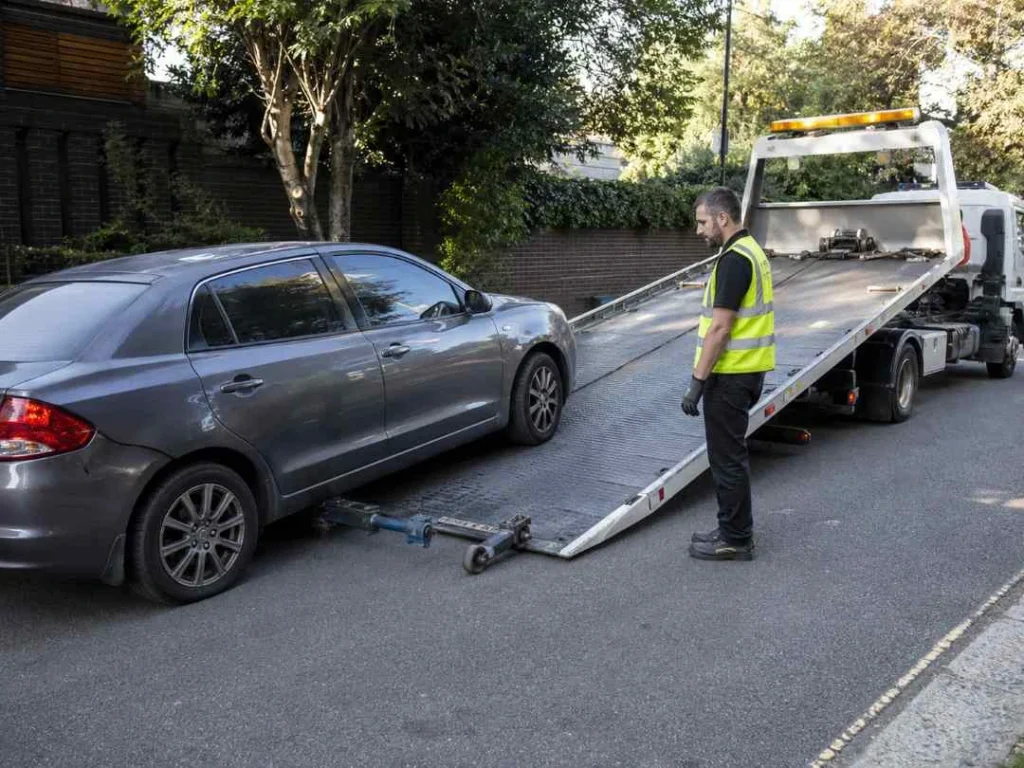
Limp mode is a warning that the vehicle’s normal operation has been restricted for a reason. While a short drive may sometimes be possible under controlled circumstances, a long journey is a different situation because the underlying fault remains unresolved.
Towing becomes particularly sensible when the vehicle has major power loss, overheating, transmission problems, unusual engine noises or additional warning signs. It also avoids putting unnecessary distance on a vehicle that may already have a mechanical or electrical fault.
Getting Professional Help for a Vehicle in Limp Mode
If your vehicle enters limp mode, the safest decision depends on the symptoms, warning messages and cause of the fault. A professional inspection can help determine whether the vehicle needs a simple repair, electrical diagnosis or recovery to a workshop.
NSW Government vehicle inspection guidance recommends checking important areas such as the engine, cooling system, warning lights, steering, brakes and transmission, and also recommends having vehicles inspected by a qualified mechanic when appropriate. These checks reinforce why unusual vehicle behaviour should not simply be ignored.