Car Emergency Kit: Essential Items to Keep in Your Car

A practical car emergency kit should include a phone charger, torch, high-visibility vest, basic first aid supplies, drinking water and weather protection. Add equipment suited to your vehicle and supplies for your passengers, especially before longer journeys.
These items can help you communicate, stay visible and manage a wait after a breakdown. However, carrying tools does not make roadside repairs safe. Your location, passing traffic and the condition of the vehicle should determine whether you can safely do anything beyond calling for assistance.
Prepare for the Journeys You Actually Make
Start with your usual driving rather than buying the largest kit available. A Sydney commuter needs accessible everyday supplies; someone travelling beyond reliable mobile coverage needs more extensive preparation.
Consider who normally travels with you. Children may need spare clothing and familiar snacks, while older passengers may need extra weather protection or essential personal supplies. Carry necessary medicines with you under their labelled storage conditions rather than leaving them permanently in the car.
Think about night driving, seasonal weather, available storage and how far you may be from assistance. Keep the kit manageable enough that you can inspect and replenish it easily.
Essential Items to Keep in Your Car
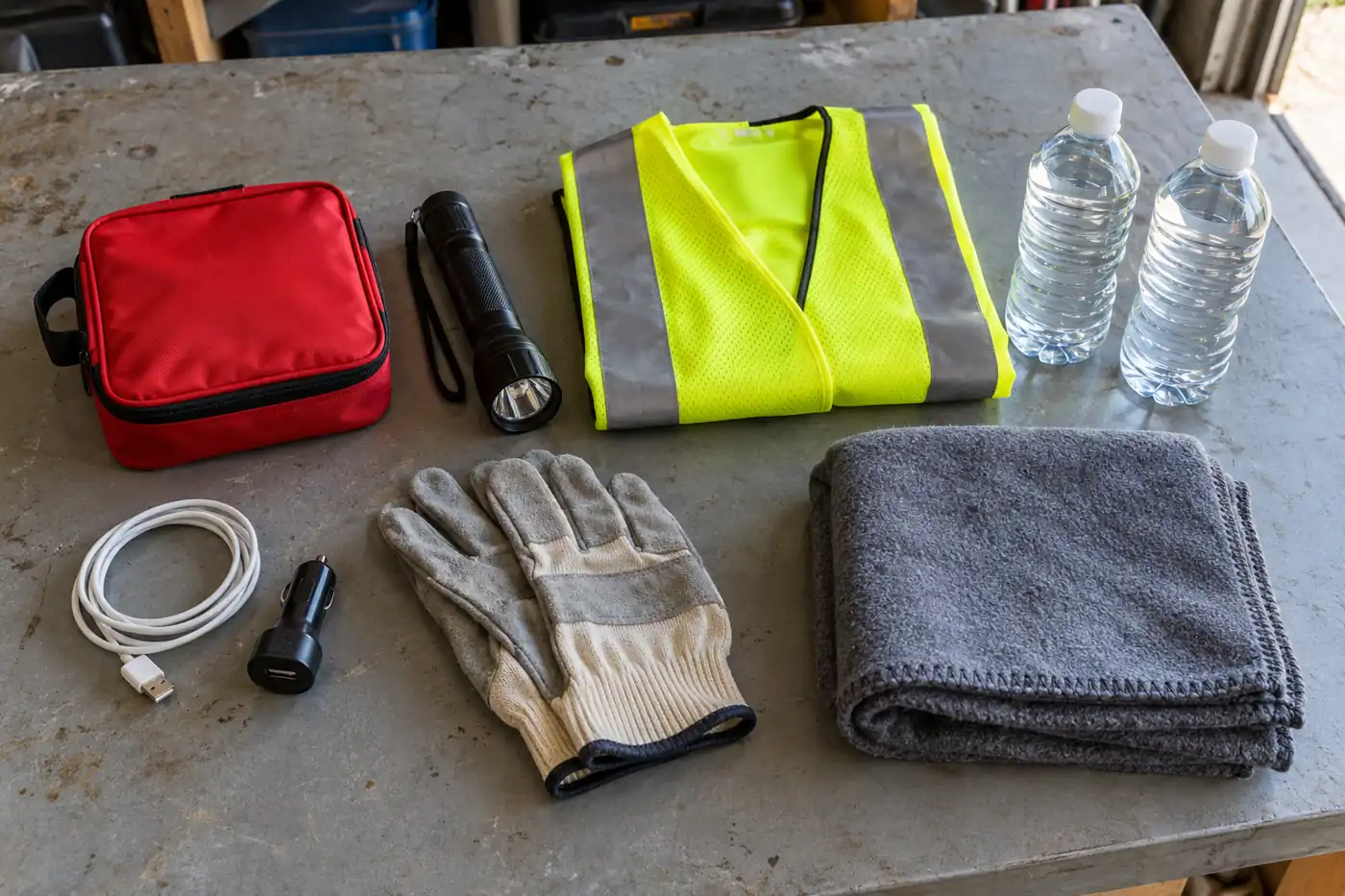
The essential items to keep in your car should help with communication, visibility and basic comfort. Use this car emergency kit checklist as a starting point, then adjust it for your passengers and vehicle.
| Item | Why it is useful | Storage or safety consideration |
|---|---|---|
| Phone cable and compatible vehicle charger | Helps keep your phone available for calls and location sharing. | Check the cable works; vehicle charging may be unavailable after a battery failure. |
| Maintained power bank | Provides an independent phone-charging option. | Follow temperature limits. Carry it with you when parked-car conditions would exceed them. |
| Torch and suitable spare batteries | Helps you find supplies and read information after dark. | Secure the torch and protect spare battery terminals from contact with metal objects. |
| High-visibility vest | Improves visibility if you need to leave the vehicle. | Keep it accessible from the cabin. It does not make standing near traffic safe. |
| Basic first aid kit | Holds supplies such as dressings, bandages and disposable gloves. | Check expiry dates, sealed packaging and product storage instructions. |
| Drinking water | Supports hydration during delays. | Use sealed bottles or clean food-grade containers; follow storage guidance and replace compromised supplies. |
| Light blanket or weather protection | Adds comfort during a cold or wet wait. | Keep it dry and secured with the other supplies. |
| Emergency contact details | Provides important numbers if your phone is unavailable. | Keep a paper copy of assistance, insurance and personal emergency contacts. |
| Work gloves | Useful when handling dirty equipment or luggage. | They do not protect you from traffic, hot components or electrical hazards. |
| Owner’s manual and vehicle information | Helps you identify warnings and explain your vehicle’s requirements. | Keep a printed manual or downloaded copy accessible without mobile reception. |
Choose first aid supplies you understand how to use. Check that kit contents remain usable and within their expiry dates. Carrying a kit is also a useful reason to consider recognised first aid training.
Warning triangles need separate consideration. NSW Government guidance discusses them for heavy vehicles; they are not presented here as a requirement for every private car. Do not walk beside moving traffic to place one. Follow applicable guidance and use one only where placement is safe.
Vehicle Equipment to Check Before You Need It
Emergency supplies help you manage a delay. Vehicle equipment serves a different purpose and must match the car. Check what your vehicle actually carries before assuming you can deal with a puncture or flat battery.
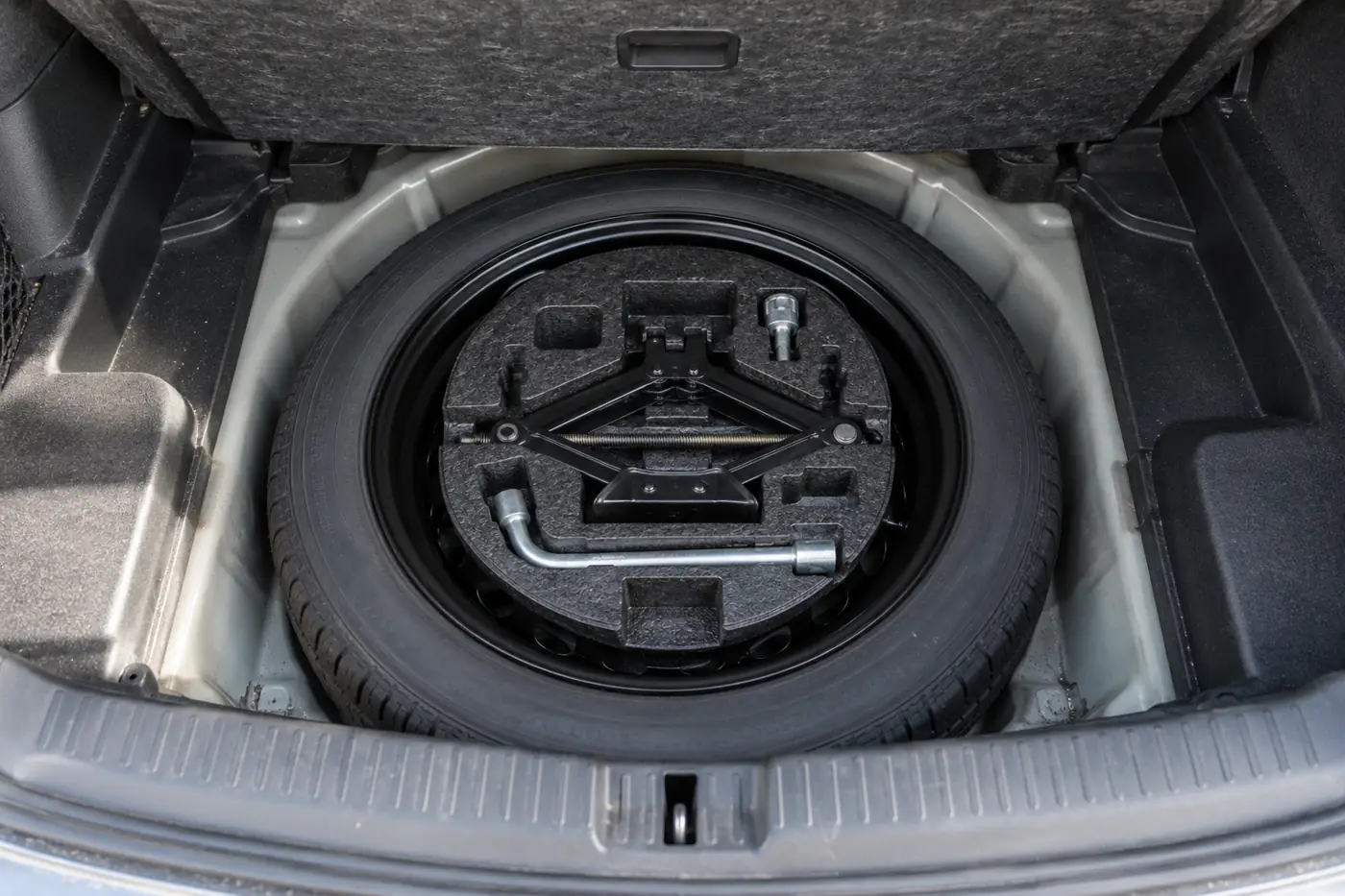
- A serviceable spare tyre, where fitted: Check its pressure and condition against the owner’s manual.
- The supplied repair or inflation kit: Some vehicles have this instead of a spare. Understand its limitations and check the sealant’s expiry date.
- Correct wheel tools: Confirm the relevant tools and locking wheel nut key are present, if applicable.
- A tyre pressure gauge: Choose one suitable for the vehicle’s specified pressures.
- An optional portable jump starter: Confirm compatibility with the vehicle and follow both manufacturers’ instructions.
Sealant is not suitable for every type of tyre damage, and expired supplies should be replaced according to the product instructions. Your vehicle manual explains the relevant limitations and replacement requirements.
A jack does not make a narrow shoulder suitable for changing a wheel. If the location is unsafe, leave the equipment stored and request assistance.
EVs, hybrids and conventional vehicles can have different battery and recovery procedures. Do not assume equipment used on a previous car is suitable for your current one.
Useful Extras for Longer or Remote Trips
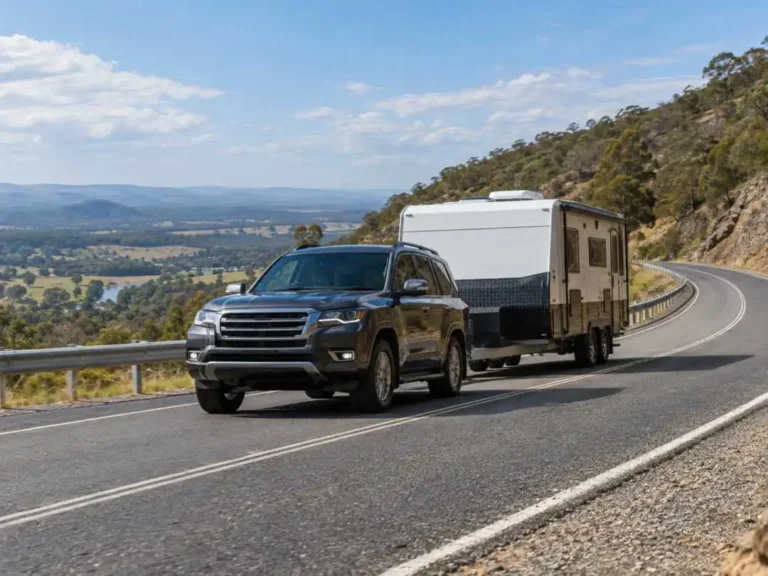
Longer journeys can increase the distance between you and practical help. Add supplies for the route, expected weather and possible delays rather than treating an everyday roadside emergency kit as complete remote-travel preparation.
Useful extras include additional drinking water, suitable non-perishable food, offline maps, weather-appropriate clothing and sun protection. Include passenger-specific supplies, such as nappies, spare glasses or necessary medical equipment.
Download maps before leaving reliable reception, and remember that a charged phone cannot create network coverage. Remote routes may warrant alternative communication equipment, selected with advice appropriate to the destination.
Plan water and food around passenger needs, conditions and access to replenishment. Remote travel also requires route-specific preparation, current road information and a plan shared with someone who knows when to expect you.
How to Store and Maintain Your Car Emergency Kit
A kit is useful only if its contents work and you can reach them safely. Secure supplies so they cannot move around during sudden braking, and keep frequently needed items accessible without unloading the boot beside traffic.
Store the vest, torch and contact details where you can reach them from the cabin. Keep heavier supplies restrained in a suitable storage area, following the vehicle’s guidance.
Heat needs particular attention. Follow temperature limits for power banks, jump starters, batteries and first aid products. A shaded compartment does not guarantee a safe storage temperature. NSW Government battery safety guidance recommends cool, dry storage away from sunlight and warns against using damaged or overheating batteries.
For drinking water, follow the container’s storage instructions and check seals, cleanliness and condition. Bring fresh supplies for journeys instead of assuming bottles left through repeated hot days remain suitable.
Choose a memorable review routine, such as checking the kit when planning a longer drive. Test the torch and chargers, maintain power banks according to their instructions, inspect first aid contents and replace anything used. Review passenger supplies when needs change.
When Your Kit Is Not Enough
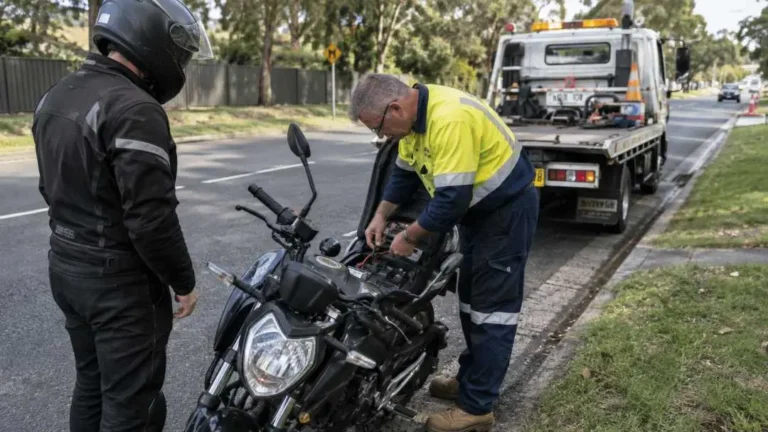
Some breakdowns require professional help regardless of what you carry. A dangerous stopping position, overheating, significant wheel damage or suspected mechanical or electrical faults can make further driving or roadside repairs unsafe.
For an ordinary breakdown, NSW Government breakdown guidance advises pulling over safely, using hazard lights and remaining belted inside while calling assistance. If you must get out, check traffic, leave on the safest side and move clear of the road, behind a barrier where safe. Avoid crossing the road.
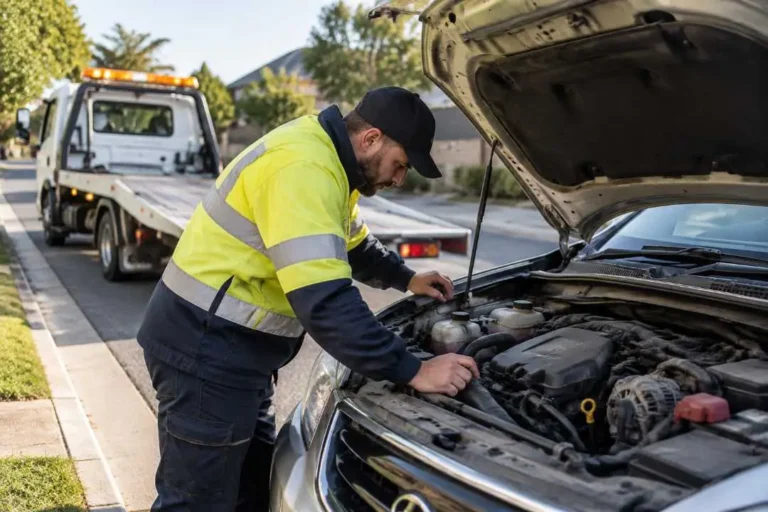
Fire, smoke or a strong fuel smell changes the situation. Prioritise getting people away from immediate danger where safe. Call 000 for fire, serious injury or an immediate threat to life, and follow the operator’s instructions. Do not investigate leaking fuel, open a hot radiator cap or work beneath a roadside vehicle.
For a breakdown without an immediate emergency, roadside assistance in Sydney may be appropriate. If the vehicle cannot be made safe to drive, car towing in Sydney may be needed. Explain the location, symptoms and vehicle type so the provider can assess suitable assistance.
Frequently Asked Questions
These answers can help you adapt your supplies without buying equipment you cannot safely store or use.
Can I buy a ready-made car emergency kit?
Yes, but check the contents rather than relying on the packaging. Confirm that tools suit your vehicle, first aid items are current and storage instructions suit your circumstances. You may still need to add water, charging cables and passenger supplies.
What should I avoid leaving in a hot car?
Avoid leaving medicines, power banks, portable jump starters and other temperature-sensitive products where their storage limits may be exceeded. Check labels and manufacturer instructions. Do not assume the glovebox or boot stays cool enough.
Do electric cars need a different emergency kit?
Most communication, visibility and comfort supplies are similar. Vehicle equipment and recovery requirements can differ, however. Keep the correct manual available, identify the vehicle as electric when requesting help and avoid touching high-voltage components or damaged battery systems.
How often should I check my emergency supplies?
Check after using anything, before longer journeys and when passenger needs change. Set a recurring reminder that suits you, and follow individual expiry dates and maintenance instructions. Replace damaged packaging, depleted batteries and missing supplies promptly.
Before your next journey, check that your supplies are secure, accessible and suitable for the conditions. For roadside assistance or towing in Sydney, call AH Towing Services on 0420 502 202 to discuss your situation and confirm availability and vehicle suitability.