What to Do If Car Is Overheating: 4 Safe Steps Every Driver Should Know
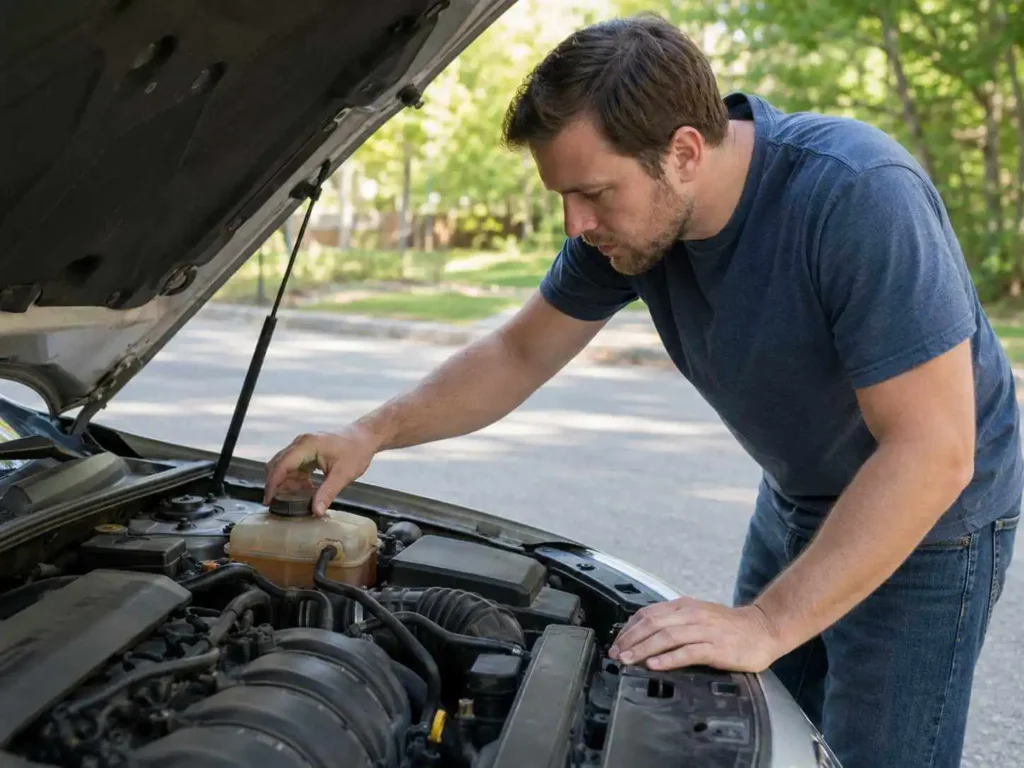
A car overheating is one of those problems that can happen suddenly and leave you feeling stressed on the road. Whether you are driving to work, travelling with family, or stuck in traffic, an overheating engine should never be ignored. If you continue driving while the temperature keeps rising, it can cause serious engine damage and expensive repairs.
Knowing what to do if car is overheating can help you stay safe, protect your vehicle, and avoid turning a small issue into a major breakdown. This guide explains the warning signs, immediate steps to take, common causes, and when you should call for roadside assistance or towing services
What to Do If Car Is Overheating Immediately
The first thing to remember is not to panic. When your car starts overheating, your response matters. Acting quickly and safely can reduce the risk of engine failure.
If you notice the temperature gauge rising, steam coming from under the bonnet, or a warning light on your dashboard, follow these steps:
1. Turn Off the Air Conditioning
Switch off the air conditioner straight away. The AC puts extra load on the engine, which can make overheating worse. Turning it off helps reduce pressure on the cooling system.
2. Turn On the Heater
It may sound strange, especially on a hot day, but turning on the heater can help move heat away from the engine. Set the heater to full and open the windows if needed. This is only a short-term step to help control the temperature until you can stop safely.
3. Pull Over Safely
Find a safe place to stop as soon as possible. Move away from traffic, turn on your hazard lights, and avoid stopping in a dangerous location such as a blind corner or narrow road shoulder.
Once parked, put the car in park or neutral and turn off the engine. Do not keep driving if the temperature gauge is still high.
4. Wait Before Opening the Bonnet
Never open the bonnet immediately if steam is coming out. Hot coolant and pressure can cause serious burns. Wait at least 15 to 30 minutes for the engine to cool down before checking anything.
This is one of the most important steps when learning what to do if car is overheating, because safety should always come first.
Warning Signs Your Car Is Overheating
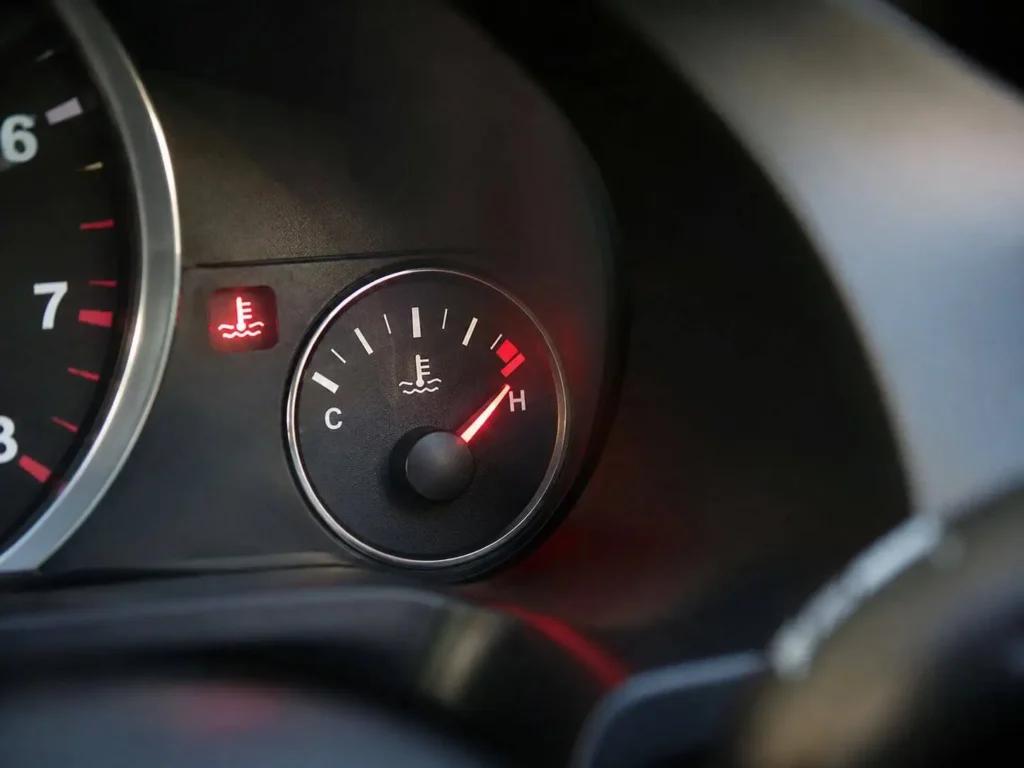
An overheating engine often gives you warning signs before it completely breaks down. Paying attention to these signs can help you react early.
Common symptoms include:
- Temperature gauge moving into the red zone
- Steam or smoke coming from under the bonnet
- Burning smell from the engine area
- Coolant warning light on the dashboard
- Loss of engine power
- Strange ticking or knocking sounds
- Coolant leaking under the vehicle
If you notice any of these signs, do not ignore them. Even if the car seems to be driving normally, the engine may already be under stress.
Common Reasons Why a Car Overheats
Understanding why your car is overheating can help you decide what to do next. There are several possible causes, and some are more serious than others.
Low Coolant Level
Coolant helps control engine temperature. If the coolant level is low, the engine cannot release heat properly. This may happen because of a leak, poor maintenance, or a damaged radiator cap.
Coolant Leak
A coolant leak can come from the radiator, hoses, water pump, or coolant reservoir. If you see green, orange, pink, or yellow fluid under your car, it may be coolant. Driving with a coolant leak can quickly lead to overheating.
Faulty Thermostat
The thermostat controls coolant flow through the engine. If it gets stuck closed, coolant cannot circulate correctly, causing the engine temperature to rise.
Radiator Problems
The radiator helps cool the engine coolant. If it is blocked, damaged, or leaking, it cannot do its job properly. Dust, debris, corrosion, or old coolant can reduce radiator performance.
Broken Water Pump
The water pump moves coolant through the engine. If it fails, coolant stops circulating and the engine can overheat very quickly.
Cooling Fan Failure
Most vehicles have a cooling fan that helps reduce temperature, especially in traffic. If the fan stops working, the engine may overheat when the car is moving slowly or sitting idle.
Stuck on the road? Call Us For fast, safe and affordable towing across Sydney.
What Not to Do If Your Car Is Overheating
When drivers are unsure what to do if car is overheating, they sometimes make mistakes that can make the problem worse.
Avoid these actions:
- Do not keep driving for a long distance. Even if you are close to home, continuing to drive can damage the engine.
- Do not open the radiator cap while the engine is hot. The cooling system is under pressure, and hot coolant can spray out.
- Do not pour cold water into a very hot engine. Sudden temperature changes can crack engine parts.
- Do not ignore warning lights. Dashboard warnings are there to protect your vehicle.
- Do not try to repair the car on a busy road. Your safety is more important than the vehicle.
Can You Drive a Car That Is Overheating?
In most cases, you should not continue driving an overheating car. A short distance may seem harmless, but overheating can damage the head gasket, radiator, pistons, and other engine parts.
If the temperature drops after turning off the AC and turning on the heater, you may be able to move the car to a safer location nearby. However, if the gauge stays high, steam appears, or the warning light remains on, stop driving and call roadside assistance.
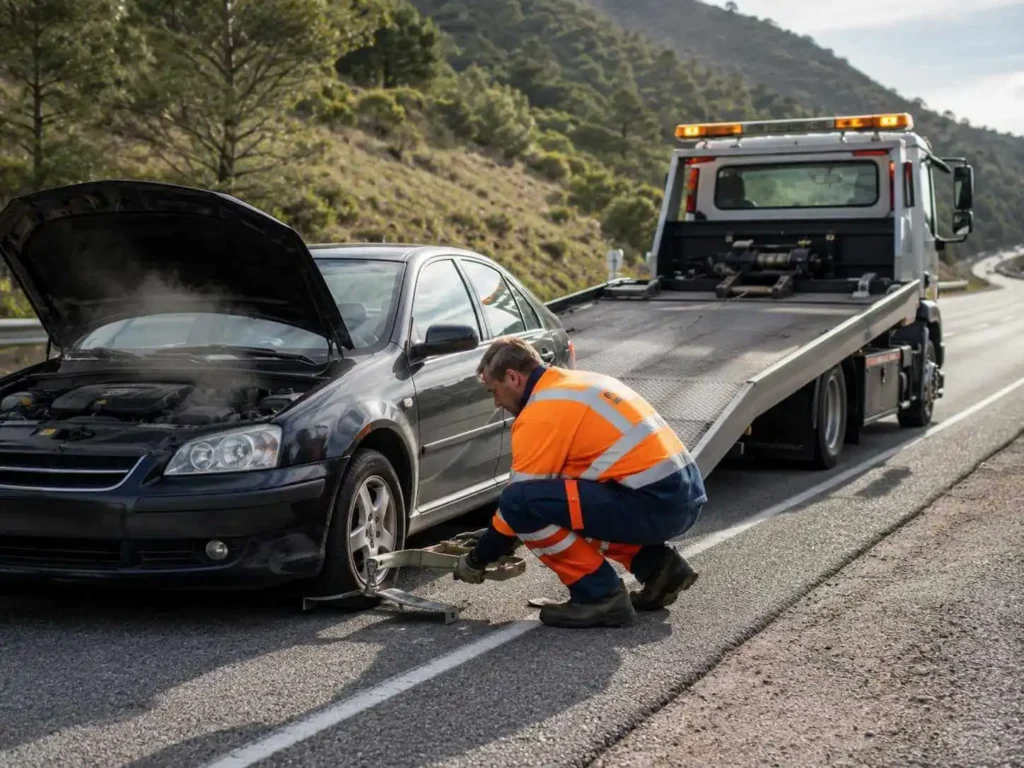
A tow truck is often the safest option if the car cannot cool down or if there is a visible coolant leak.
When to Call Roadside Assistance or a Tow Truck
You should call for help if:
- Steam continues coming from the engine
- Coolant is leaking heavily
- The temperature gauge remains high
- The car loses power
- You cannot identify the problem
- You are stuck on a highway or unsafe roadside
- The engine warning light stays on
- The car overheats again after cooling down
Professional roadside assistance can inspect the issue safely. If the car cannot be fixed on the spot, towing it to a mechanic can prevent further damage.
For drivers searching what to do if car is overheating, the best answer is often to stop safely, let the engine cool, and avoid taking risks with the vehicle or your safety.
How to Prevent Your Car From Overheating
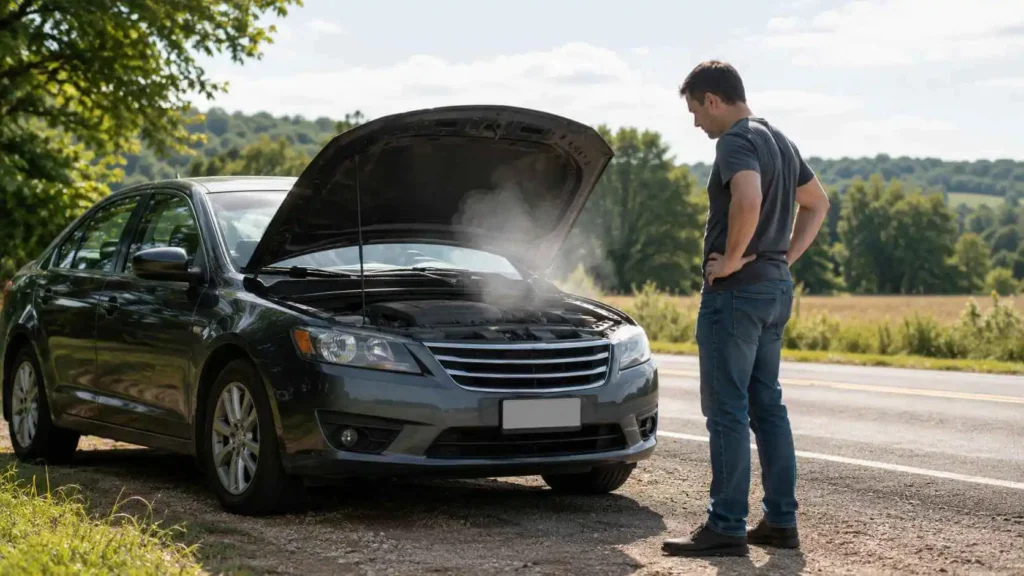
Regular maintenance is the best way to reduce the chance of overheating. Many overheating problems happen because small issues are ignored for too long.
Here are simple prevention tips:
- Check your coolant level regularly, especially before long trips.
- Inspect the ground under your car for leaks.
- Service your vehicle according to the manufacturer’s schedule.
- Replace old coolant when recommended.
- Keep the radiator clean and in good condition.
- Check belts, hoses, and the radiator cap.
- Watch the temperature gauge while driving.
- Get the cooling system checked if your car has overheated before.
Preventive care is much cheaper than repairing engine damage caused by overheating.
What Should You Check After the Engine Cools?
Once the engine has cooled completely, you can carefully check a few things if it is safe to do so.
Look at the coolant reservoir and see whether the level is low. Check for visible leaks around the radiator, hoses, and under the car. Also check whether the radiator fan is working when the engine is running.
If you are not confident, avoid touching engine parts and call a professional. Modern vehicles can be complex, and forcing the car to run again may cause more damage.
Why Overheating Should Never Be Ignored
Engine overheating is not just a small inconvenience. It can lead to serious mechanical failure. A damaged head gasket, warped cylinder head, or cracked engine block can cost a lot to repair.
Even if the car starts again after cooling down, the original problem may still be there. That means the vehicle can overheat again, sometimes worse than before.
If your car overheats once, it is worth getting it checked by a mechanic as soon as possible.
Final Thoughts
Knowing what to do if car is overheating can help you stay calm and make the right decision in a stressful situation. The safest steps are simple: turn off the AC, turn on the heater, pull over safely, switch off the engine, wait for it to cool, and avoid opening the radiator cap while hot.
If the problem continues, there is a coolant leak, or you are unsure what caused the overheating, call roadside assistance or a tow truck. Acting early can protect your engine, save money, and keep you safe on the road.
A car overheating should always be treated seriously. The sooner you respond, the better chance you have of preventing major damage.