Car Safety Checks: Essential Steps to Keep Your Vehicle Road-Ready
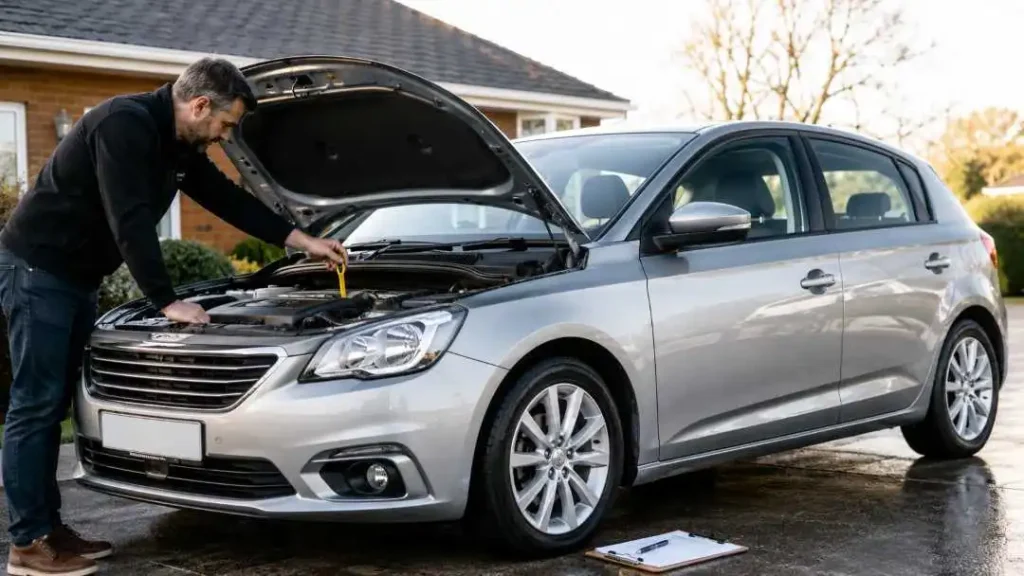
Car safety should never be treated as something you only think about before a long road trip. Whether you drive daily for work, school, family errands, or weekend travel, your vehicle needs regular attention to stay safe and reliable. Small problems can become serious if they are ignored, and many roadside breakdowns can be avoided with simple routine inspections.
Car Safety Checks help you identify warning signs before they turn into expensive repairs or dangerous situations. From tyres and brakes to lights, fluids, mirrors, and seatbelts, each part of your vehicle plays an important role in protecting you, your passengers, and other road users. A few minutes spent checking your car can give you peace of mind every time you drive.
If your vehicle becomes unsafe to drive, breaks down suddenly, or needs to be moved to a mechanic, AH Towing Services can help with professional towing support across Sydney.
Why Car Safety Checks Are Important
Every vehicle goes through wear and tear over time. Even if your car looks fine from the outside, important parts may slowly lose performance without obvious warning. Tyres lose pressure, brake pads wear down, fluids drop, lights stop working, and batteries weaken. These issues may seem small at first, but they can affect your control, visibility, stopping distance, and overall safety.
Regular Car Safety Checks also help reduce unexpected breakdowns. A car that is well-maintained is more likely to perform properly in emergency situations. For example, good tyre condition improves grip on wet roads, working headlights improve night visibility, and responsive brakes can help prevent collisions.
In NSW, vehicle safety is also connected to roadworthiness and registration requirements. You can learn more from the official NSW vehicle safety inspections page. This makes regular vehicle safety checks useful not only for daily driving but also for keeping your car legally and safely road-ready.
Step-by-Step Car Safety Checks Before Driving
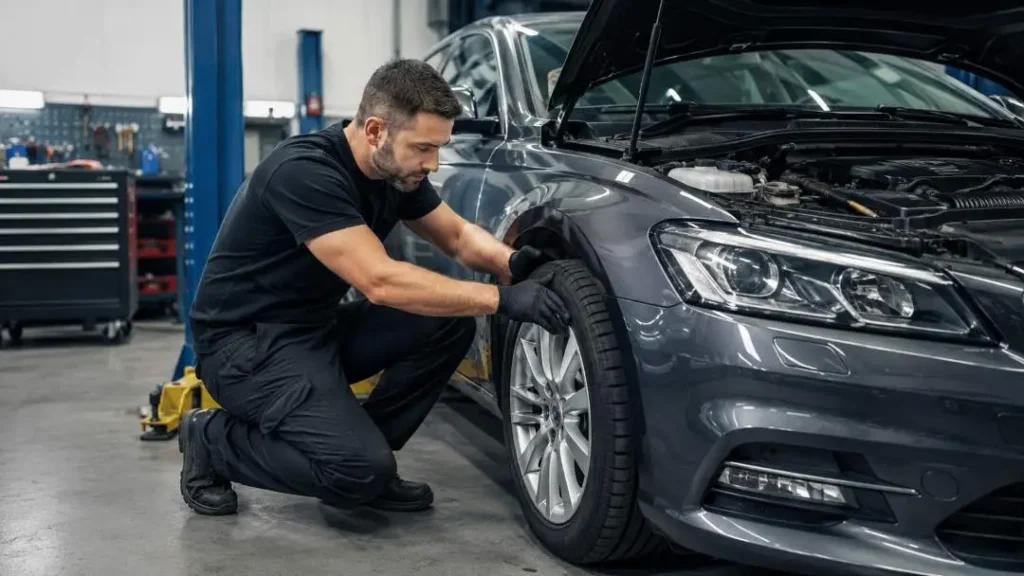
Use this simple car safety checklist before long trips, after your vehicle has been parked for a while, or whenever something feels unusual while driving.
Step 1: Check Your Tyres Before Driving
Tyres are the only part of your vehicle that touches the road, so they are one of the most important areas to inspect. Poor tyre condition can reduce grip, increase stopping distance, and make your car harder to control, especially during rain or sudden braking.
Start by checking tyre pressure. Underinflated tyres can cause poor fuel economy, uneven wear, and overheating. Overinflated tyres may reduce contact with the road and affect handling. Use the recommended tyre pressure listed in your vehicle manual or on the sticker usually found inside the driver’s door.
Also inspect the tread depth. Worn-out tread makes it harder for tyres to grip the road, particularly on wet surfaces. Look for uneven wear, cracks, bulges, nails, or cuts. If one tyre looks different from the others, it may indicate alignment, suspension, or pressure problems. Before driving, check:
- Tyre pressure
- Tyre tread depth
- Sidewall cracks or bulges
- Nails, screws, cuts, or punctures
- Uneven tyre wear
- Spare tyre condition
Do not forget to check the spare tyre as well. A spare tyre will only be useful in an emergency if it is properly inflated and in good condition. If your tyre is badly damaged and the car is not safe to move, contact roadside assistance instead of risking further damage.
Step 2: Inspect Your Brakes Carefully
Brakes are critical for vehicle safety, and any signs of brake trouble should be taken seriously. If your brakes feel weak, make grinding noises, vibrate, or take longer than usual to stop the car, you should have them inspected as soon as possible.
Pay attention to how the brake pedal feels. A soft or spongy pedal may point to air in the brake lines or low brake fluid. A hard pedal can also indicate a problem. Squealing sounds may mean brake pads are wearing down, while grinding noises can suggest more serious damage. Brake warning signs include:
- Squealing or grinding noises
- Brake pedal feels soft or spongy
- Car pulls to one side while braking
- Vibration when braking
- Burning smell near the wheels
- Brake warning light on the dashboard
Brake fluid should also be checked regularly. Low brake fluid can reduce braking performance and may signal a leak. Since braking systems are essential for safety, it is always best to have a professional mechanic inspect any brake-related concerns.
If your brakes are not responding properly, avoid driving the vehicle. In this situation, car towing Sydney may be the safest option to move your car to a repair centre without putting yourself or others at risk.
Step 3: Test All Lights and Indicators
Visibility is a major part of road safety. Your lights help you see the road, and they help other drivers see you. Faulty lights can increase the risk of accidents, especially at night, during rain, or in foggy conditions.
Check your headlights, brake lights, reverse lights, hazard lights, fog lights, and indicators. You can ask someone to stand outside the car while you test each light, or you can use reflections from a wall, window, or garage door. Make sure to test:
- Headlights
- High beams
- Brake lights
- Reverse lights
- Hazard lights
- Indicators
- Fog lights
- Number plate lights
Indicators are especially important because they show other drivers your intentions. If your turn signal flashes faster than usual, it may mean one of the bulbs has failed. Replacing a bulb is usually simple and affordable, but ignoring it can create confusion on the road.
Working lights are also important if your car breaks down. Hazard lights help alert other drivers while you wait for emergency towing or roadside help.
Step 4: Check Engine Oil and Other Fluids
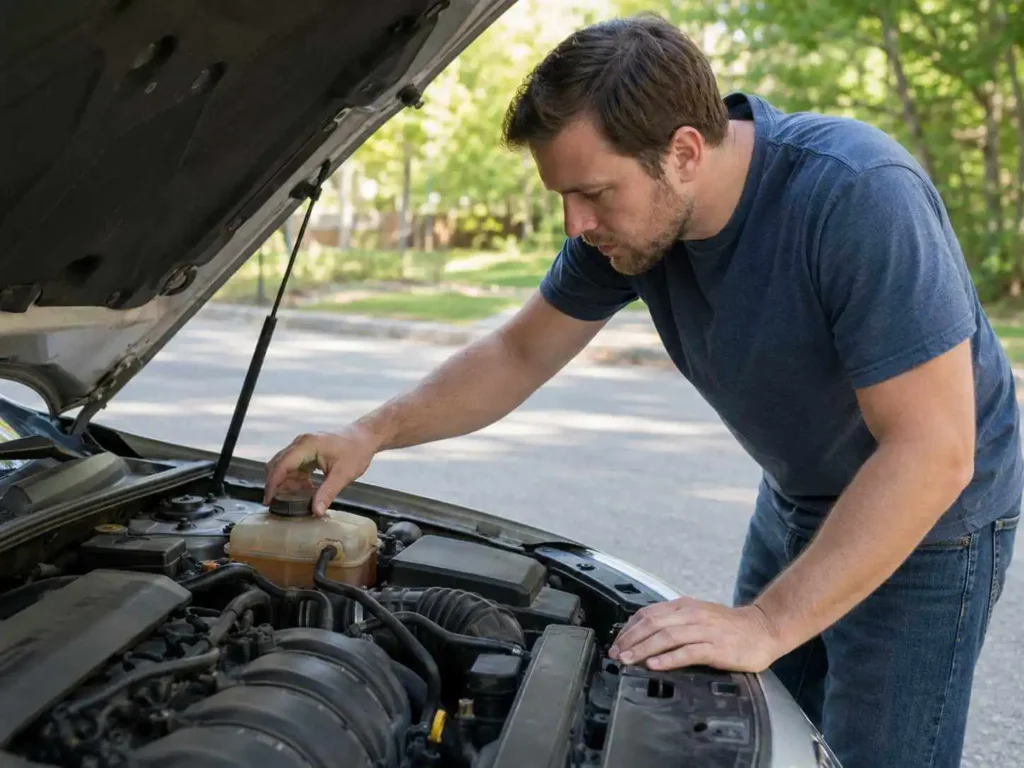
Fluids keep your vehicle running smoothly, and low or dirty fluids can lead to serious mechanical problems. One of the most important fluids to check is engine oil. Oil lubricates engine parts, reduces friction, and helps prevent overheating. If the oil level is too low, your engine may suffer major damage.
Use the dipstick to check engine oil when the car is parked on level ground and the engine is cool. The oil level should sit between the minimum and maximum marks. Also look at the colour and texture. Clean oil is usually amber, while very dark, gritty, or thick oil may need changing. Important fluids to check include:
- Engine oil
- Coolant
- Brake fluid
- Transmission fluid
- Power steering fluid
- Windscreen washer fluid
Coolant helps prevent the engine from overheating, while washer fluid helps keep your windscreen clear. These simple Car Safety Checks can prevent breakdowns and improve everyday driving comfort.
If your vehicle overheats, leaks fluid, or starts smoking, stop in a safe place and avoid continuing the trip. Driving with overheating or fluid leaks can cause serious engine damage and may require professional towing support.
Step 5: Examine the Battery Condition
A weak or failing battery can leave you stranded without warning. Battery issues are especially common during extreme weather, short trips, or when the vehicle has not been driven for a long time.
Look for corrosion around the battery terminals. White, green, or blue buildup can affect the battery connection and make it harder for the car to start. Make sure the battery is firmly secured and that cables are not loose or damaged. Battery warning signs include:
- Car struggles to start
- Clicking sound when turning the key
- Dashboard lights flicker
- Headlights look dim
- Battery warning light appears
- Electrical features stop working properly
Many auto repair shops can test your battery health quickly. Replacing a weak battery before it fails is much easier than dealing with a breakdown in the middle of your day.
If your battery fails completely and the car will not start, roadside assistance Sydney can help with common breakdown situations. If the issue cannot be fixed on the spot, your vehicle can be towed safely.
Step 6: Make Sure Your Windscreen and Wipers Are Clear
A clean windscreen gives you a clear view of the road. Cracks, chips, dirt, and worn-out wipers can reduce visibility and increase risk, especially during rain or at night.
Inspect your windscreen for chips or cracks. Small chips may be repairable, but they can spread if ignored. Wipers should move smoothly without leaving streaks or making loud noises. If the rubber blades are cracked, stiff, or uneven, they should be replaced. Check these visibility items:
- Windscreen glass
- Rear window
- Side windows
- Side mirrors
- Rear-view mirror
- Wiper blades
- Washer fluid spray
Also check your windscreen washer spray. If the spray is weak or blocked, clean the nozzles and refill the washer fluid. Good visibility is one of the simplest but most important parts of safe driving.
For more general vehicle safety guidance, you can also review this official vehicle safety checklist from GOV.UK, which includes checking windows, mirrors, lights, brakes, fluids, battery, washer bottles, and tyres.
Step 7: Review Mirrors, Seatbelts, and Horn
Not all safety checks are mechanical. Some of the most important safety features are inside and around the cabin. Your mirrors, seatbelts, and horn all help prevent accidents and protect passengers.
Make sure your rear-view mirror and side mirrors are clean, properly adjusted, and free from cracks. You should be able to see clearly behind and beside your vehicle before moving off. Check these cabin safety items:
- Rear-view mirror position
- Side mirror position
- Seatbelt locking function
- Seatbelt fabric condition
- Horn sound
- Dashboard warning lights
- Driver seat position
Seatbelts should pull out smoothly, lock correctly, and show no signs of fraying or damage. Test your horn as well. It may seem like a small detail, but it is an important warning tool in emergency situations.
Step 8: Listen for Unusual Sounds or Smells
Your car often gives warning signs before a major issue develops. Unusual sounds, smells, or vibrations should not be ignored. A knocking noise from the engine, squealing from the brakes, grinding while turning, or rattling under the vehicle may point to a problem. Warning sounds and smells include:
- Knocking from the engine
- Squealing brakes
- Grinding while turning
- Rattling under the vehicle
- Burning smell
- Fuel smell
- Smoke from the bonnet
- Strong vibration at certain speeds
If the sound becomes worse while driving or the vehicle feels unsafe, pull over in a safe location. Calling AH Towing Services can help you avoid driving a damaged vehicle and prevent further mechanical problems.
Quick Car Safety Checklist Before a Long Trip
Before a long journey, use this simple list to prepare your vehicle:
- Check tyre pressure and tread depth
- Check spare tyre condition
- Test headlights, brake lights, indicators, and hazards
- Check engine oil level
- Check coolant level
- Check brake fluid
- Refill windscreen washer fluid
- Inspect wiper blades
- Test battery strength if the car has been slow to start
- Adjust mirrors
- Check seatbelts
- Listen for unusual sounds
- Keep emergency items in the car
If your car fails any important safety check before a trip, do not ignore it. Fix the issue first or arrange safe vehicle transport through car towing Sydney if the vehicle is not roadworthy.
Stuck on the road? Call Us For fast, safe and affordable towing across Sydney.
How Often Should You Do Car Safety Checks?
The best schedule depends on how often you drive, road conditions, vehicle age, and manufacturer recommendations. However, a basic inspection should be done at least once a month and before any long journey. If you drive frequently, carry heavy loads, or travel on rough roads, you may need to check more often.
Weekly Checks
- Tyre appearance
- Lights and indicators
- Windscreen and mirrors
- Dashboard warning lights
- Unusual sounds
Monthly Checks
- Tyre pressure
- Engine oil
- Coolant
- Brake fluid
- Battery terminals
- Wiper blades
- Spare tyre
Before Long Trips
- Full tyre check
- Full fluid check
- Brake performance
- Emergency kit
- Lights and visibility
- Battery condition
- Roadside support contact details
Professional servicing should also be done according to your vehicle’s service schedule. A mechanic can inspect areas that are harder to check at home, including suspension, steering, brake components, belts, hoses, and underbody parts.
For NSW drivers, a safety inspection report, also known as a pink slip, may be required for registration depending on your vehicle age and renewal notice. This is another reason to keep your car in safe condition throughout the year.
What to Do If Your Car Is Not Safe to Drive
If your vehicle fails a safety check, avoid driving until the issue is repaired. Problems with brakes, tyres, steering, overheating, battery failure, or fluid leaks can quickly become dangerous on busy roads. Follow these steps:
Step 1: Pull Over Safely
Move your vehicle away from traffic if possible. Turn on your hazard lights and choose a safe location.
Step 2: Do Not Keep Driving
If the problem affects braking, steering, tyres, engine temperature, or visibility, do not continue driving.
Step 3: Call for Help
If your vehicle feels unsafe, do not continue driving and risk further damage. Contact a mechanic or a professional towing service to move your car safely to a repair centre. This is another important reason to keep your car in safe condition throughout the year.
What to Do If Your Car Is Not Safe to Drive
If your vehicle fails a safety check, avoid driving until the issue is repaired. Problems with brakes, tyres, steering, overheating, battery failure, or fluid leaks can quickly become dangerous on busy
Contact a mechanic or a towing provider. If you are in Sydney and your vehicle needs to be moved, get a towing quote from AH Towing Services.
Final Thoughts on Car Safety Checks
Car Safety Checks are a simple habit that can improve your safety, reduce repair costs, and help prevent unexpected breakdowns. You do not need to be a mechanic to notice basic Thoughts on Car Safety Checks
A safe car is not just about convenience; it is about responsibility. Every time you drive, your vehicle affects your safety and the safety of everyone around you. By making Car Safety Checks part of your routine, you can enjoy smoother journeys, better performance, and greater peace of mind on the road.