Can You Tow a Caravan With an Automatic Transmission Car?
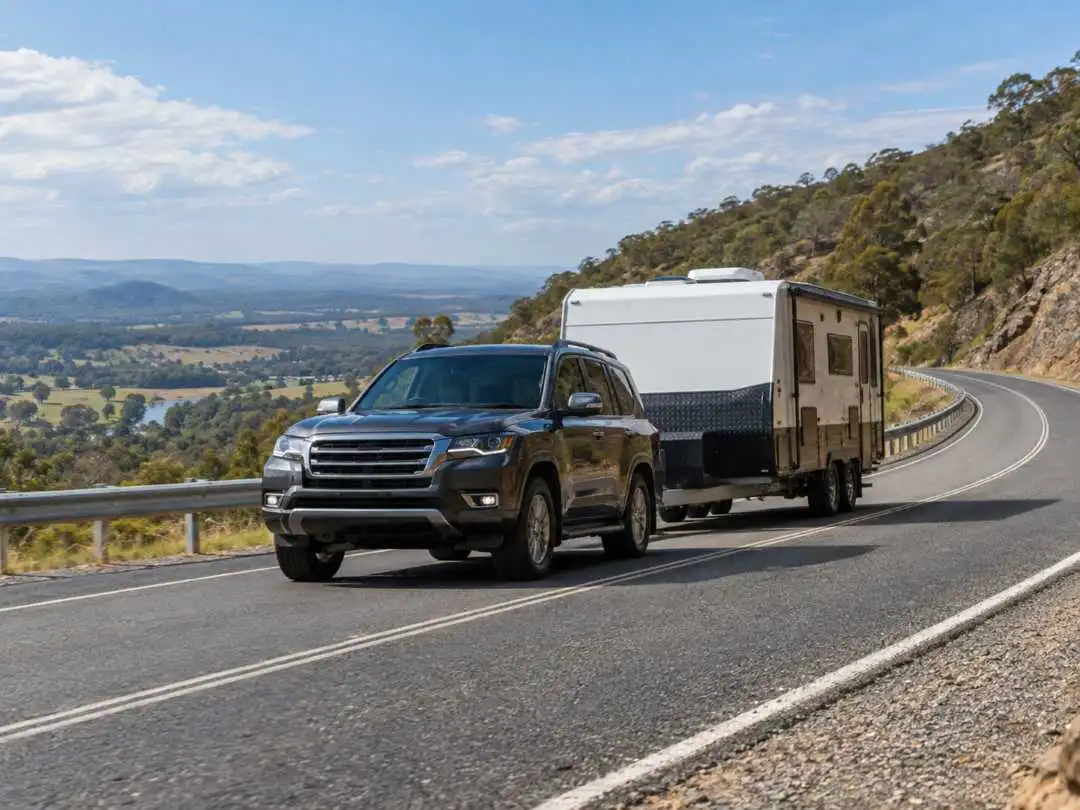
Can you tow a caravan with an automatic transmission car? Yes, many automatic vehicles can safely tow caravans, provided they meet the manufacturer’s towing requirements. However, caravan weight, transmission type and cooling capacity all play an important role in preventing mechanical problems.
Towing a caravan places additional strain on your vehicle, particularly during long journeys or when travelling uphill. Understanding the correct towing limits can help you avoid gearbox overheating, poor handling and unexpected breakdowns. If mechanical trouble leaves you stranded around Sydney, AH Towing Services can assist with safe vehicle recovery and transport.
Before planning your next caravan trip, it is important to understand how automatic transmissions handle additional weight, what precautions to take and when professional assistance may be necessary.
How Automatic Cars Handle the Extra Weight
Automatic cars manage additional towing weight through their transmission, engine and cooling systems. Their ability to pull a caravan safely depends on how these components work together and whether the vehicle is designed to handle the load.
The main consideration is not simply whether the vehicle has an automatic or manual gearbox. Engine performance, transmission design, cooling capacity, vehicle weight and towing equipment all influence its suitability.
Why Automatic Cars Can Be Suitable for Towing
Automatic transmissions change gears without requiring the driver to operate a clutch pedal. This can make towing more convenient in heavy traffic, on hills and during frequent starts and stops.
Some automatic vehicles also offer dedicated towing modes that adjust gear changes to suit heavier loads. These features can improve driving control, although they do not increase the manufacturer’s maximum towing capacity.
When an Automatic Car May Not Be Suitable
Not every automatic vehicle is designed to pull a heavy caravan. Smaller passenger cars, certain compact SUVs and vehicles with limited towing ratings may struggle with larger loads or may not be approved for towing at all.
A vehicle may also be unsuitable if the caravan exceeds its approved towing capacity or towball download limit. Even a powerful engine cannot compensate for insufficient braking, cooling or structural capability.
The safest decision is to check the manufacturer’s specifications for your exact vehicle variant before selecting a caravan.
What to Check Before Towing a Caravan With an Automatic Car
Before connecting a caravan, it is important to understand the weight your vehicle can safely manage. Incorrect loading and unsuitable towing equipment can cause problems even when the engine and gearbox are in good condition.
Several measurements determine whether your car and caravan are compatible.
Check Your Vehicle’s Towing Capacity
Your vehicle’s towing capacity is the maximum trailer weight approved by its manufacturer under specified conditions. This information is normally available in the owner’s manual or official vehicle specifications.
Manufacturers commonly provide separate ratings for braked and unbraked trailers. Because most larger caravans have their own braking systems, the braked towing limit is particularly important.
Remember that towing capacity can differ between automatic and manual versions of the same vehicle. Engine size, drivetrain and model year may also affect the approved rating.
Understand Caravan Weight and Towball Download
Caravan weight involves more than the manufacturer’s advertised empty weight. Water tanks, food, luggage, gas bottles and camping equipment can add considerable weight before you begin travelling.
The following table explains the main measurements you should check.
| Weight term | What it means |
|---|---|
| Towing capacity | Maximum trailer weight the vehicle is rated to tow |
| ATM | Maximum permitted loaded caravan mass when uncoupled |
| GTM | Caravan weight supported by its wheels when coupled |
| GVM | Maximum permitted loaded weight of the towing vehicle |
| GCM | Maximum permitted combined loaded mass, where specified |
| Towball download | Downward weight applied to the vehicle’s towball |
Towball download is particularly important because it contributes to the load carried by the towing vehicle. Passengers, luggage and accessories also consume the vehicle’s available payload.
For example, a car rated to tow 2,000 kg cannot safely tow a caravan weighing 2,300 kg when loaded. Even when the caravan is below the towing limit, the vehicle’s GVM, axle ratings, towball limit and any specified GCM must still be respected.
Inspect the Towbar and Braking System
A properly fitted towbar is essential for caravan towing. Its rated capacity must be suitable for the intended load and must not exceed the limits approved for the vehicle.
Before departure, confirm that the coupling, safety chains, electrical connections and caravan brakes are appropriate and functioning correctly. Depending on the caravan’s weight and braking system, additional braking controls may be required.
Never assume that fitting a heavy-duty towbar automatically increases your car’s towing capacity. The manufacturer’s vehicle limits still apply.
Does Towing a Caravan Damage an Automatic Transmission?
Towing creates additional mechanical demands because the vehicle must accelerate, maintain speed and control a heavier combined load. An automatic gearbox may therefore operate under greater stress than it does during ordinary driving.
However, towing within the manufacturer’s recommendations does not automatically damage a healthy transmission. Problems become more likely when the vehicle is overloaded, overheats or is operated against its towing instructions.
Transmission Overheating
Heat is one of the main concerns when towing with an automatic vehicle. The transmission works harder under load, particularly when climbing hills, driving through heavy traffic or repeatedly accelerating.
Excessive transmission temperatures can reduce the effectiveness of transmission fluid and contribute to premature component wear. Some vehicles display a gearbox temperature warning or temporarily change transmission behaviour when overheating is detected.
Warning signs may include:
- A transmission temperature warning
- Delayed or unusually harsh gear changes
- Unexplained loss of performance
- A burning smell around the vehicle
- Abnormal gearbox noises or behaviour
If these symptoms occur, find a safe place to stop and follow the vehicle manufacturer’s instructions. Continuing to tow while the transmission overheats may cause serious mechanical damage.
Different Automatic Gearbox Designs
Traditional torque-converter automatic transmissions are commonly used in vehicles designed for substantial towing. Their suitability still depends on their specific design, cooling system and manufacturer-approved towing limits.
Continuously variable transmissions (CVTs) and dual-clutch transmissions behave differently under load. Some vehicles using these systems have useful towing capacities, while others have restrictions or are unsuitable for heavy caravan towing.
Do not assume that every conventional automatic is suitable or that every CVT is unsuitable. The approved towing rating and operating instructions for your particular vehicle are the deciding factors.
Do You Need a Transmission Oil Cooler?
A transmission oil cooler helps manage the temperature of automatic transmission fluid. Some towing-capable vehicles include suitable cooling equipment as standard, while others may require additional equipment for certain towing conditions.
An additional cooler may be worth discussing with a qualified mechanic if the manufacturer recommends one or the vehicle regularly operates under heavy loads. However, not every automatic vehicle requires an aftermarket cooler.
Any modification should be compatible with the vehicle and approved where necessary. Installing a cooler does not increase the vehicle’s legal towing capacity or make an overweight caravan safe.
How to Tow a Caravan Safely With an Automatic Car
Once you confirm that your vehicle is suitable, driving technique becomes the next priority. Automatic transmissions can make caravan towing convenient, but extra weight changes how the vehicle accelerates, brakes and handles corners.
A few practical habits can reduce unnecessary strain on the transmission and make longer journeys more comfortable.
Prepare the Vehicle Before Your Journey
Routine vehicle maintenance becomes especially important when towing a caravan. The engine, gearbox, cooling system, tyres and brakes must all be capable of handling the additional workload.
Before a long trip, consider these checks:
- Confirm the vehicle and caravan are within their weight limits.
- Check engine coolant and transmission fluid where applicable.
- Inspect tyres and adjust pressures according to towing specifications.
- Test caravan lights, brakes and electrical connections.
- Secure luggage and distribute caravan weight correctly.
- Check mirrors provide adequate visibility along the caravan.
- Confirm the coupling, safety chains and jockey wheel are secure.
A qualified mechanic can inspect the vehicle if you are uncertain about its condition. This is particularly worthwhile before an extended trip involving steep roads or heavy loads.
Can You Tow a Caravan With an Automatic Transmission Car on Steep Hills?
Automatic vehicles usually select gears according to road speed, throttle position and driving conditions. However, repeatedly changing between gears on hills can create unnecessary heat and reduce driving comfort.
Many vehicles allow the driver to select a lower gear or activate a towing mode. When recommended by the manufacturer, these settings can help maintain control and reduce excessive gear hunting.
Descending steep roads also requires careful speed management. Selecting an appropriate lower gear can provide engine braking and reduce reliance on the service brakes, but the correct method depends on the vehicle.
Allow More Time for Braking and Turning
A caravan increases the overall length and weight of your vehicle combination. As a result, you need additional room for braking, negotiating corners and entering traffic.
Maintain a greater following distance and avoid harsh acceleration or sudden steering movements. Smooth driving helps limit caravan sway and reduces unnecessary strain on mechanical components.
Strong crosswinds, passing trucks and uneven road surfaces can also affect caravan stability. Reduce speed when conditions become difficult and stop somewhere safe if the combination feels unstable.
Take Breaks During Long-Distance Towing
Long journeys can place sustained demands on the engine, transmission and cooling system. Hot weather, steep terrain and stop-start traffic may further increase operating temperatures.
Plan regular rest stops so you can check the caravan, tyres and towing connections. Monitor the vehicle’s warning lights and temperature displays, and allow adequate time for breaks to manage driver fatigue.
A well-planned journey is generally safer than rushing to reach your destination. Avoid pushing the vehicle beyond its comfortable operating conditions.
Which Automatic Vehicles Are Better for Caravan Towing?
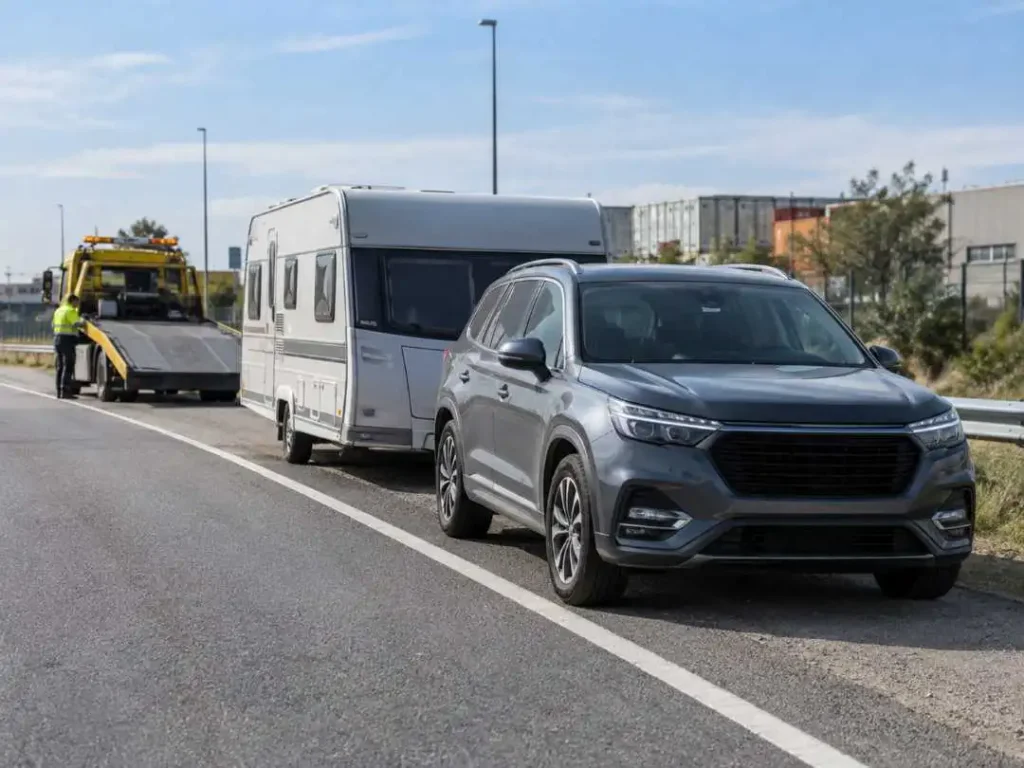
The best towing vehicle depends on the size and loaded weight of your caravan. An automatic SUV, ute or 4WD may offer greater towing capacity than a small passenger car, but vehicle category alone is not a reliable guarantee.
Compare the exact manufacturer’s specifications rather than choosing based only on engine size or appearance.
Automatic Sedans and Small SUVs
Some automatic sedans and compact SUVs can tow lightweight caravans or camper trailers. Their approved ratings may be sufficient for smaller setups, particularly when passengers and luggage are kept within the available payload.
However, a vehicle intended primarily for everyday commuting may have limited towing capacity. A smaller engine or transmission cooling system can also influence its suitability for regular caravan trips.
Automatic 4WDs and Larger SUVs
Many larger SUVs and 4WD vehicles are designed with substantial towing in mind. Depending on the model, they may offer stronger drivetrains, suitable cooling systems and towing assistance features.
These vehicles can be practical for larger caravans and longer journeys, but their advertised maximum towing figures do not tell the whole story. Passengers, accessories, luggage and towball download can reduce how much caravan weight can be carried within all applicable limits.
Hybrid and Electric Automatic Vehicles
Hybrid and electric vehicles may also have approved towing capacities, depending on the model. Their electric drivetrains can provide strong low-speed pulling performance, but this does not automatically make them suitable for heavy caravans.
Towing can increase energy consumption and substantially reduce driving range. Always check the manufacturer’s towing approval, load limits and any special operating instructions before connecting a caravan.
Common Mistakes That Can Cause Towing Problems
Many caravan towing difficulties result from preparation or loading problems rather than the automatic gearbox alone. Understanding these mistakes can help you avoid unnecessary repairs and roadside emergencies.
Common problems include:
- Exceeding the towing limit: Choosing a caravan based on its empty weight instead of its actual loaded weight.
- Ignoring towball download: Overloading the rear of the vehicle or exceeding its permitted payload.
- Using unsuitable equipment: Fitting a towbar, coupling or braking arrangement that does not meet the requirements.
- Overlooking transmission warnings: Continuing to drive despite overheating or abnormal gear changes.
- Incorrect weight distribution: Placing too much equipment at one end of the caravan and affecting stability.
- Poor maintenance: Beginning a demanding towing journey with worn tyres, cooling issues or existing mechanical faults.
These mistakes are not limited to inexperienced drivers. Even regular caravan owners should review their vehicle’s loading and towing setup whenever equipment, passengers or travel plans change.
What to Do If Your Automatic Car Breaks Down While Towing
A vehicle breakdown can become more complicated when a caravan is attached. The combined length of the car and caravan may make it difficult to pull over, especially on narrow roads or busy Sydney motorways.
If you notice serious transmission problems, overheating or unusual mechanical behaviour, avoid continuing the journey unnecessarily. Your immediate priority is to stop safely and protect yourself and other road users.
Find a Safe Place to Stop
Reduce speed smoothly and look for a suitable stopping area away from moving traffic. Use your hazard lights when appropriate and avoid sudden braking or steering that could destabilise the caravan.
Once stopped, apply the parking brake and secure the vehicle according to the manufacturer’s instructions. Assess traffic conditions carefully before leaving the vehicle, particularly on motorways or other high-speed roads.
Arrange Appropriate Breakdown Assistance
Some roadside problems can be assessed or resolved without transporting the vehicle. For example, a flat battery or tyre issue may be suitable for roadside assistance in Sydney, depending on the circumstances and location.
However, serious gearbox failure, engine overheating or other mechanical damage may make further driving unsafe. In these situations, professional car towing services can help transport the towing vehicle to a repairer.
Always explain that a caravan is attached when requesting assistance. The recovery operator will need to assess both the car and caravan and arrange suitable equipment for their safe handling or separate transport.
A Safer Caravan Trip Starts With Good Preparation
An automatic transmission can make towing more convenient, but no gearbox can compensate for excessive weight or unsuitable equipment. Checking your vehicle’s limits, maintaining its mechanical condition and driving smoothly are essential parts of preparing for a caravan journey.
Simple precautions such as allowing extra braking distance, checking towing connections and selecting suitable gears on hills are fundamental to safe caravan towing. These general safety principles are useful for Australian drivers, while specific towing requirements should always be checked for the state or territory in which you travel.