Roadside Assistance vs Towing: Which One Do You Need?

When it comes to roadside assistance vs towing, the answer depends on what’s wrong with your car. Roadside assistance is the right call when the problem can be fixed where you are: a flat battery, a flat tyre, an empty tank or keys locked inside. You need a tow when the car can’t be made safe to drive on the spot, such as an engine or gearbox failure, overheating or a serious warning light. Not sure which? Describe the symptoms when you call and the operator will send the right help.
Key takeaways
- Roadside assistance fixes simple problems on the spot so you can drive away.
- Towing moves a car that can’t, or shouldn’t, be driven to a mechanic, your home or another safe place.
- Flat batteries, flat tyres, running out of fuel and lockouts are usually roadside jobs.
- Overheating, red warning lights, grinding or knocking noises, or a failed jump start usually mean a tow.
- On a motorway, safety comes first: hazard lights on, get clear of traffic, then call.
- AH Towing does both, so if a roadside fix doesn’t work, the same call can become a tow.
What’s the difference between roadside assistance and towing?
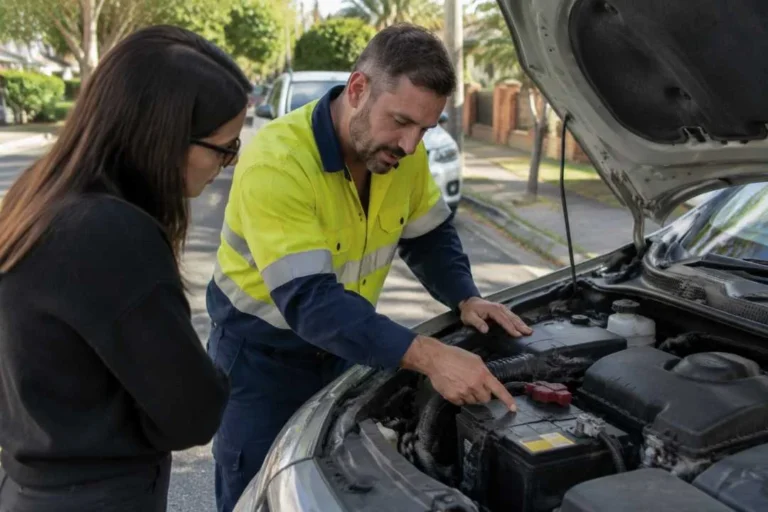
Roadside assistance is a callout to get your car running again where it stopped. A technician arrives in a service vehicle, works out what’s wrong and makes a simple or temporary fix, like a jump start, fitting your spare or adding enough fuel to reach a servo.
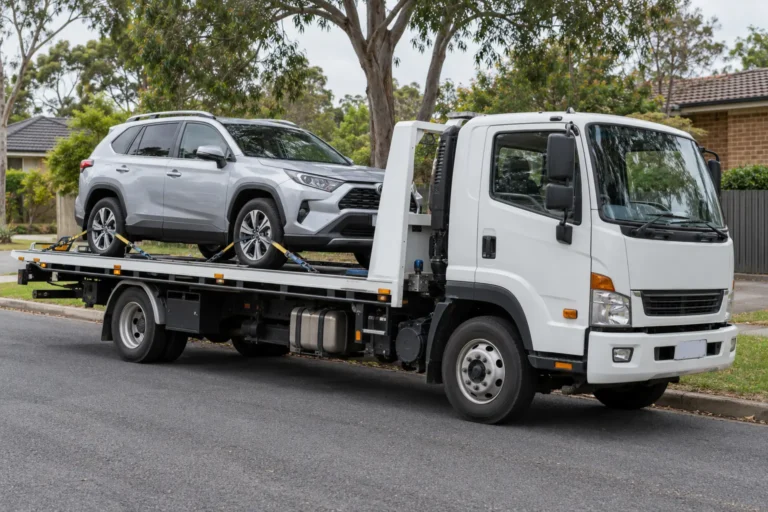
Towing is transport. Your vehicle is secured and loaded onto a tow truck, usually a tilt tray (flatbed) for modern cars, and taken to a workshop, your home or another address. Nothing is repaired on site. The goal is to move the car without causing more damage.
The simple way to remember it: roadside assistance gets you moving, towing gets your car moved.
Roadside assistance vs towing at a glance
| Roadside assistance | Towing | |
|---|---|---|
| Typical problems | Flat battery, flat tyre, out of fuel, keys locked in, minor faults | Engine or transmission failure, overheating, serious warning lights, car unsafe to drive, failed roadside fix |
| What happens on site | Quick check and a fix so you can drive away | Car is secured, loaded and taken to the destination you choose |
| Right choice when | The car is sound apart from one simple problem | Driving further could cause damage or put you at risk |
| Time to get moving again | Usually soon after the technician arrives | You leave with the truck or arrange a lift; the car returns once repaired |
Problems roadside assistance can usually fix
Flat battery
This is the most common reason a car won’t start. Typical signs are a clicking sound when you turn the key, dim dash lights or no response at all. A jump start or battery help usually gets you going.
The catch: a battery that went flat after the car sat for days, or one that’s several years old, may go flat again. If the car won’t hold a charge after a jump, or the battery warning light comes on while you drive, the charging system may be at fault. That’s when a tow becomes the safer choice.
Flat tyre
A technician can fit your spare, as long as it’s inflated and in good condition. A common mistake is finding out the spare is flat too, or that the car only carries a repair kit. Check your spare’s pressure when you check the others. If the wheel or tyre is badly damaged and there’s no usable spare, the car will need to be towed.
Out of fuel
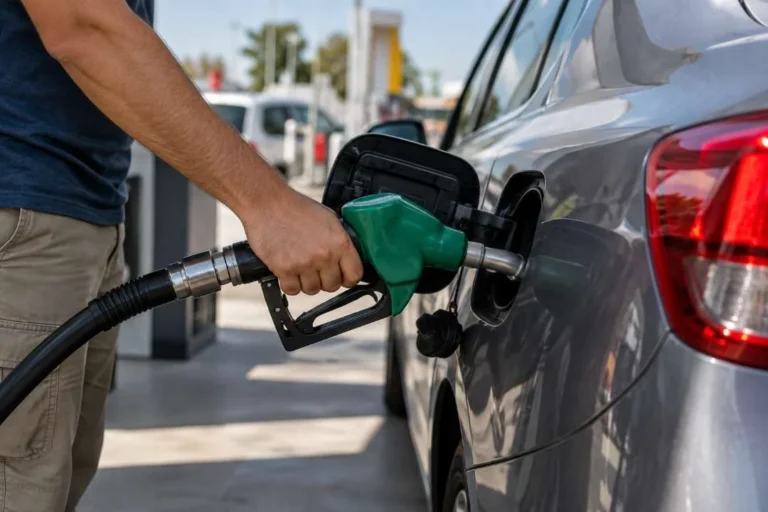
Fuel delivery gives you enough to reach the nearest service station. Tell the operator whether your car runs on petrol or diesel.
Put the wrong fuel in? Don’t start the engine. Running it can spread the wrong fuel through the system. This usually means a tow to a workshop so the tank can be drained.
Locked out
A lockout service can usually get you back into the car without damage. If a child or pet is locked inside, especially on a warm day, call 000 first.
Minor faults
Some small problems can be sorted on site, such as a loose battery terminal. If the fix needs parts, a hoist or a proper diagnosis, it’s a workshop job and the car will need to get there.
When you need a tow truck instead
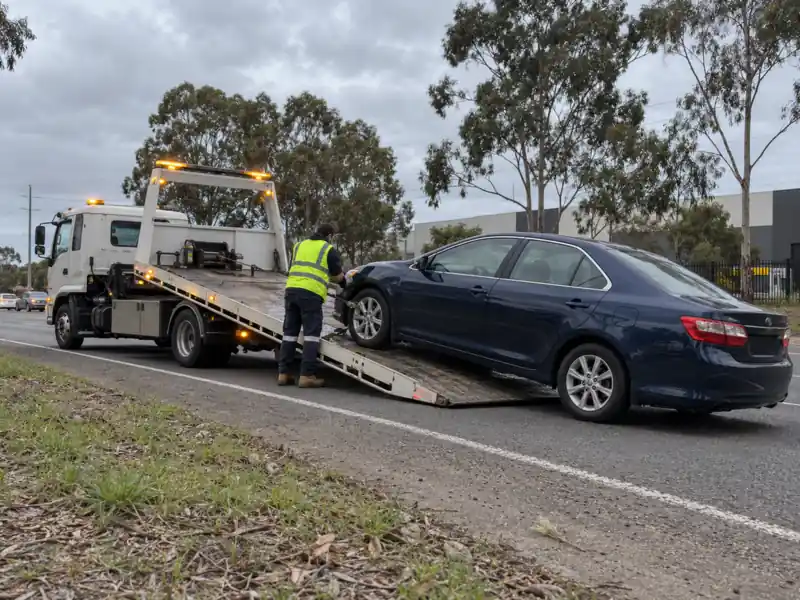
Call for a tow, rather than trying to limp on, if any of these apply:
- Engine or transmission trouble. Knocking, grinding, a sudden loss of power, gears slipping or a car that won’t go into gear. Driving further can turn a repair into a replacement.
- Overheating. The temperature gauge is in the red or steam is coming from under the bonnet. Pull over and switch off. Don’t open the radiator cap while the engine is hot, as the coolant is under pressure and can scald.
- Serious warning lights. A red oil pressure light, a flashing engine light or a brake warning light means stop. A steady amber engine light is less urgent, but ask the operator before you drive on.
- The car is unsafe to drive. Brakes feel soft, steering pulls or feels heavy, there’s a heavy fluid leak, or your headlights fail at night.
- A roadside fix didn’t hold. The battery keeps going flat, or the car stalls again soon after restarting.
One detail worth knowing: many automatics and all-wheel-drive vehicles shouldn’t be towed with their drive wheels on the road. Give the operator your make and model so they send the right truck. Our car towing uses tilt trays for this reason, and bikes need their own setup, so ask about motorcycle towing if it’s your bike that’s stopped. If you’re curious about how the process works, see our guide on how to tow a car safely.
Staying safe while you wait on a Sydney road or motorway
A stopped car on a busy road is the main risk, not the fault itself. Here’s what to do:
- Get as far left as you can. If the car still rolls, aim for the shoulder, a breakdown bay or an exit ramp.
- Turn on your hazard lights so other drivers can see you’re stationary. At night, keep your parking lights on too.
- Stay in the car with your seatbelt on while you call for help. This is NSW’s advice for breakdowns on NSW roads.
- If you have to get out, check for traffic first and exit on the side away from it. Stand clear of the road, behind a safety barrier if it’s safe to do so, and avoid crossing the road.
- In a tunnel, pull into a breakdown bay or to the side of the lane, switch on your hazard lights and stay in your vehicle. Major tunnels are monitored, so wait there for help to arrive.
- If you ever feel in danger, call 000.
Before you call, note your location: the road or motorway name, your direction of travel and the nearest exit or landmark. Sharing a map pin or a live location by WhatsApp helps the driver find you quickly. And don’t try to change a tyre on the traffic side of a motorway, even if you have a spare.
Roadside membership vs calling a towing company directly
Many drivers have roadside cover through a motoring club, their insurer or a new-car warranty. These plans usually cover a set list of services for an annual fee. Many include a tow, but often with limits on distance, the number of callouts or where the car can be taken. It’s worth reading your policy before you need it.
Calling a towing company directly means you pay for the job with no membership. It suits drivers who don’t have cover, who need something their plan doesn’t include (such as a caravan, boat or machinery), or who want the car taken to their own mechanic. Either way, ask for an upfront quote before the truck is dispatched.
Neither option is better in every case. It depends on what cover you already have and what your vehicle needs.
How AH Towing handles both
Because we offer roadside assistance and towing, you don’t have to guess correctly before you call. Tell us what’s happening and we’ll send the right help. If a jump start or tyre change doesn’t get you moving, the same call can arrange a tow. No second company, no starting over.
- Available 24/7, including public holidays
- Typical metro response of 30–60 minutes, depending on location and traffic
- Upfront quotes with no hidden fees
- Licensed, insured operators
- Covering greater Sydney, from the CBD and Inner West to Western and South Western Sydney, the Hills, Eastern Suburbs, Northern Beaches, Sutherland Shire and Wollongong
Frequently asked questions
Does roadside assistance include towing?
It depends on who provides it. Some roadside plans include a tow within a set distance, while others charge extra or limit where the car can go. When you call us directly, roadside help and towing are both quoted upfront.
Can I get a jump start instead of a tow?
Yes, if the only problem is a flat battery. If the car won’t start after a jump, or dies again soon after, there’s likely a deeper fault and a tow is the safer option.
Should I drive to a mechanic or call a tow truck?
If a red warning light is on, the engine is overheating or the car is making new grinding or knocking noises, call a tow. Driving on can turn a manageable repair into a costly one.
How long will I wait for help?
In metro Sydney, typical response is 30–60 minutes, depending on where you are and the traffic at the time. We’ll give you an estimate when you call.
What should I tell the operator when I call?
Your exact location, the make and model, what happened just before the car stopped, any warning lights, and whether you’re somewhere safe. This helps us send the right vehicle the first time.
How much does it cost?
Cost depends on the distance, the type of vehicle and the time of day. You can get a free quote online or over the phone before any work starts.
Need help now?
Whether it’s a flat battery in the driveway or a car that won’t go any further on the motorway, we’re on call 24/7. Phone 0420 502 202, message us on WhatsApp, or request a free quote. If you’re not sure which service you need, just call and describe the problem, and we’ll take it from there.